Overview
View transcript
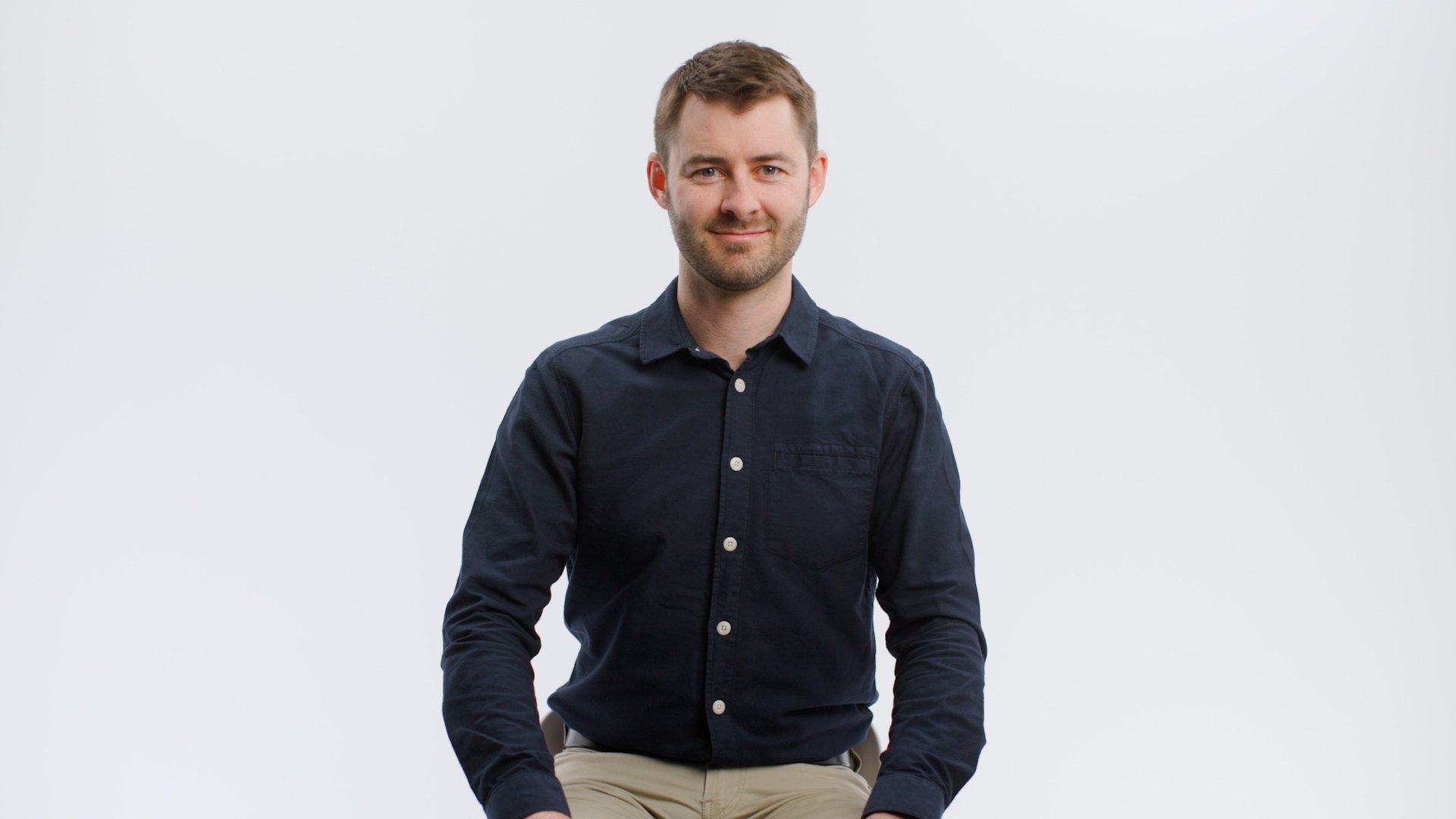
<p data-start="225" data-end="429"><strong data-start="225" data-end="245">Interviewer (I):</strong> Jonathan Simpson-Dent is chair of the Edinburgh Worldwide Investment Trust. Jonathan, good to see you this morning. What is the trust going to look like once you’ve taken this action?</p>
<p data-start="431" data-end="1043"><strong data-start="431" data-end="463">Jonathan Simpson-Dent (JSD):</strong> Well, look, we’re offering people the choice of either getting out now or staying in, and likely a change of control at the end of April. If there’s a change of control at the end of April, it will probably be with Saba. We know Saba has got a very different approach, a very different fee structure and a very different type of investment style. We think a lot of people would prefer to get out in, well, in the 90s. Twice now, 90 percent of voting shareholders who aren’t Saba have said they don’t want to be in with Saba. So we know those people are likely to want to get out.</p>
<p data-start="1045" data-end="1360"><strong data-start="1045" data-end="1053">JSD:</strong> So we think the trust will shrink significantly. We think the remaining assets will become more liquid and therefore more difficult to trade in future. And we think this is a great opportunity for people to get out. That’s why we’re encouraging them to vote for the tender offer in a couple of weeks’ time.</p>
<p data-start="1362" data-end="1405"><strong data-start="1362" data-end="1368">I:</strong> So why are you unhappy with the FCA?</p>
<p data-start="1407" data-end="1873"><strong data-start="1407" data-end="1415">JSD:</strong> Well, look, I think the FCA is there to protect all shareholders. It’s not there to protect Edinburgh Worldwide, just to be absolutely clear, it’s to protect all shareholders. And there’s a couple of things that make an investment trust particularly difficult to defend. That’s why a 30 percent shareholder can effectively nominate its own board. And then that board, arguably independent, although I don’t believe so, can then nominate Saba as the manager.</p>
<p data-start="1875" data-end="1903"><strong data-start="1875" data-end="1881">I:</strong> Why can they do that?</p>
<p data-start="1905" data-end="2230"><strong data-start="1905" data-end="1913">JSD:</strong> Firstly, it is very difficult to get our voters out. They’re retail shareholders. 24,000 individuals own 50 percent of the trust. So it’s actually very difficult to mobilise. Last time we had a 70 percent voter turnout, which is unprecedented in our history. We’ve got to have the same again for this tender to pass.</p>
<p data-start="2232" data-end="2949"><strong data-start="2232" data-end="2240">JSD:</strong> So we really need people to get out and vote. So firstly, there’s this irony that we can only get 70 percent of people to turn out. And that’s because a lot of shareholders hold their holdings on an investment platform, and investment platforms aren’t necessarily the best at informing shareholders that an action is taking place. In fact, even this time certain platforms are needing a really strong push to say you need to notify people and, having notified people, you need to allow them actually to vote on this issue. And some of them won’t even allow the functionality for people to be able to vote. That’s why 30 percent of people don’t vote. That’s why Saba can get control from a 30 percent holding.</p>
<p data-start="2951" data-end="3321"><strong data-start="2951" data-end="2959">JSD:</strong> The second thing is there’s a grey area around what board independence really means. That’s where you get into the circularity. If Saba can nominate a new board with a 30 percent holding, that new board, without any scrutiny, can then nominate Saba as the manager. It’s a horrible circularity that needs sorting out, because that is a real conflict of interest.</p>
<p data-start="3323" data-end="3607"><strong data-start="3323" data-end="3329">I:</strong> And so, Jonathan, in terms of the letter that you wrote to your members, you said the Financial Conduct Authority risks missing the central issue. Have you had any conversations with them which, in your view, make you feel that they are getting the central issue as you see it?</p>
<p data-start="3609" data-end="4273"><strong data-start="3609" data-end="3617">JSD:</strong> Well, look, I’m just about to have my third conversation with them later on today. So yeah, this has been an active dialogue for many months now. And I do believe that actually within the teams within the FCA they really are listening, and they’re listening very carefully, which is why they’re going to have this consultation later on this year. And that’s why I was taken aback two weeks ago when we were referred to, as chairs of investment trusts who are raising this issue, as being short-sighted and self-interested. This is not about self-interest. Trust me, this is about protecting our shareholders, which is why we want them to get out and vote.</p>
<p data-start="4275" data-end="4515"><strong data-start="4275" data-end="4281">I:</strong> But is the problem that you identify, where a shareholder with 30 percent can have so much influence, any different to any other sector? What is it that distinguishes an investment trust from any other company in a similar situation?</p>
<p data-start="4517" data-end="4895"><strong data-start="4517" data-end="4525">JSD:</strong> And that’s a really good question. And again I’ll come back to those 24,000 individuals that own 50 percent of the trust. We have a very wide spread of small retail shareholders. And that’s the big difference. If I was sat in a large corporate, I’d have a ream of institutional investors. So I’d probably need to mobilise 10 or 15 institutions to get a 50 percent vote.</p>
<p data-start="4897" data-end="5215"><strong data-start="4897" data-end="4905">JSD:</strong> In our case we need to mobilise a large number of those 24,000 individuals. And we can’t access them directly. You know, there’s all sorts of constraints on how we can actually approach these people. So I have to write to them. Those letters go in the post. We have to trust that they’ll watch your programme.</p>
<p data-start="5217" data-end="5329"><strong data-start="5217" data-end="5225">JSD:</strong> Yeah. Listen, read the media etc. to be able to be aware that this action, this activity, is happening.</p>
<p data-start="5331" data-end="5449"><strong data-start="5331" data-end="5337">I:</strong> Couldn’t the board have done a better job in terms of getting institutional investors on board on the register?</p>
<p data-start="5451" data-end="6054"><strong data-start="5451" data-end="5459">JSD:</strong> Well, actually, historically investment trusts have been designed for individuals. You know, this is the chance for a local investor, retail shareholder with a small holding, to actually take a slice of a really exciting business like SpaceX. Investment trusts have been designed for people, you know, private investors. So in our particular case we’re a very unique and different mandate. If we were a mainstream mandate that was just investing in a tracker that looked at the FTSE 100 or the S&P 500, then you’d see much more institutional money going into those particular types of vehicles.</p>
<p data-start="6056" data-end="6235"><strong data-start="6056" data-end="6064">JSD:</strong> But our vehicle is pretty unique. It’s a chance to own a slice of these very, very exciting companies. And that’s why we’re very retail shareholder-specific and targeted.</p>
<p data-start="6237" data-end="6809"><strong data-start="6237" data-end="6243">I:</strong> Jonathan, isn’t it the case that in most situations, though, if a company comes in and buys a big stake in an investment trust, it will want to take the decisions that it believes will maximise the returns and do well, and as a result the other investors would also benefit from those decisions it makes? So it’s not going to set out to sabotage the trust or the board. Is it really that much of a problem in reality, or is it a sort of a theoretical problem that they nominate someone to the board or, you know, make decisions that aren’t necessarily for the best?</p>
<p data-start="6811" data-end="7222"><strong data-start="6811" data-end="6819">JSD:</strong> Well, look, it’s a problem for two reasons. The first reason is because their investment approach is so different, and you can look at the performance of their particular funds and compare them to our performance in the last couple of years, and you see our performance actually being very, very strong. Our fee structure is lower. So the first problem is they’re offering something entirely different.</p>
<p data-start="7224" data-end="7583"><strong data-start="7224" data-end="7232">JSD:</strong> And if I give you my family money and I say, “I want you to put that in silver,” and you suddenly say, “OK, well, stuff that – I’m going to put it into copper,” that’s a very, very different approach. I think it’s really important that people choose where they want their money to be directed. And that’s why they’ve elected into Edinburgh Worldwide.</p>
<p data-start="7585" data-end="7993"><strong data-start="7585" data-end="7593">JSD:</strong> The second problem is that a significant part of our portfolio is in SpaceX. What Saba has proposed is to take over control of the trust and then to push investors out at a historic value on SpaceX which is around about half what a potential IPO could be. So they would actually gain our SpaceX holding really on the cheap. So this is exactly why we think it’s important that people have the choice.</p>
<p data-start="7995" data-end="8201"><strong data-start="7995" data-end="8003">JSD:</strong> Yeah, they can either get out now and get value from SpaceX or they can stay with Saba. And that’s again why we really need people to vote for this tender, so they have that choice and that option.</p>
<p data-start="8203" data-end="8492"><strong data-start="8203" data-end="8209">I:</strong> Now, you’re one of seven trusts that Saba has targeted over recent times. Another one, Herald, is deploying a similar scorched-earth policy to the one you are. Impax, similar trouble. Is it over-egging it to say that this is an existential crisis for the UK investment trust sector?</p>
<p data-start="8494" data-end="9051"><strong data-start="8494" data-end="8502">JSD:</strong> No, I think this is a real moment in time. And I think it is a crying shame that these long-term vehicles – we’ve been around for 125 years – are getting bumped out the way, shoved out the way, unmercifully by Saba, by a single investor who wants AUM for themselves, wants management fees for themselves and wants to take the future of the trust on a very, very different path. If they want to do that, they can start up their own vehicle in the UK. They can back themselves and do their own thing. Why do they need to grab these particular trusts?</p>
<p data-start="9053" data-end="9463"><strong data-start="9053" data-end="9061">JSD:</strong> So I think it’s a real shame. And this is why the FCA really need to get involved, because other hedge funds may see this as an opportunity. They see a chink in the framework at the moment whereby they can get control of these vehicles from a very, you know, small minority, hold a 30 percent holding. So there is a chink there that others could take advantage of, and we could see a lot more of this.</p>
<p data-start="9465" data-end="9717"><strong data-start="9465" data-end="9473">JSD:</strong> The other thing that’s going to become more difficult is to attract independent, strong independent directors to boards of these trusts because you take a huge personal and reputational risk by coming into an open fight with someone like Saba.</p>
<p data-start="9719" data-end="10116"><strong data-start="9719" data-end="9725">I:</strong> Come on now, Jonathan. I mean, the investment trust sector for years and years has been very, very clubby, particularly some of these Scottish investment trusts. There’s been a circle of directors that float from one to the other. Very, very close relationships with the fund managers at times. No wonder you get discounts of the sort that we’ve seen that have allowed the likes of Saba in.</p>
<p data-start="10118" data-end="10643"><strong data-start="10118" data-end="10126">JSD:</strong> Look, I’ve only been in this industry for the last six years, so I can’t comment on the longer-term stuff. This is the only investment trust I’m involved with. A lot of my colleagues on the board only sit on one investment trust board, not multiple ones. We are here because we’re really intrigued by the Edinburgh Worldwide mandate, and we’d love to see it work for shareholders. And that’s why we’re fighting like crazy to give them this option to get out now rather than get lumped into a Saba-controlled vehicle.</p>
<p data-start="10645" data-end="11126"><strong data-start="10645" data-end="10653">JSD:</strong> So we put Baillie Gifford under huge scrutiny two years ago, when I took the chairmanship, under huge scrutiny to make sure that we had the right investment mandate, the right execution or strategy. We really fine-tuned the investment policies, and we’ve seen really strong returns since then – a real turnaround in the trust over the last two years. That’s what the board’s here to do. The board is not here to come and eat sandwiches once a quarter with Baillie Gifford.</p>
<p data-start="11128" data-end="11290"><strong data-start="11128" data-end="11134">I:</strong> Okay, Jonathan, thank you very much. Jonathan Simpson-Dent, chair of Edinburgh Worldwide Investment Trust. Thanks for joining us here on Squawk Box Europe.</p>