
View transcript
<p class="MsoNormal"><strong>Your capital is at risk. This transcript has been generated using AI.</strong></p>
<p class="MsoNormal"> </p>
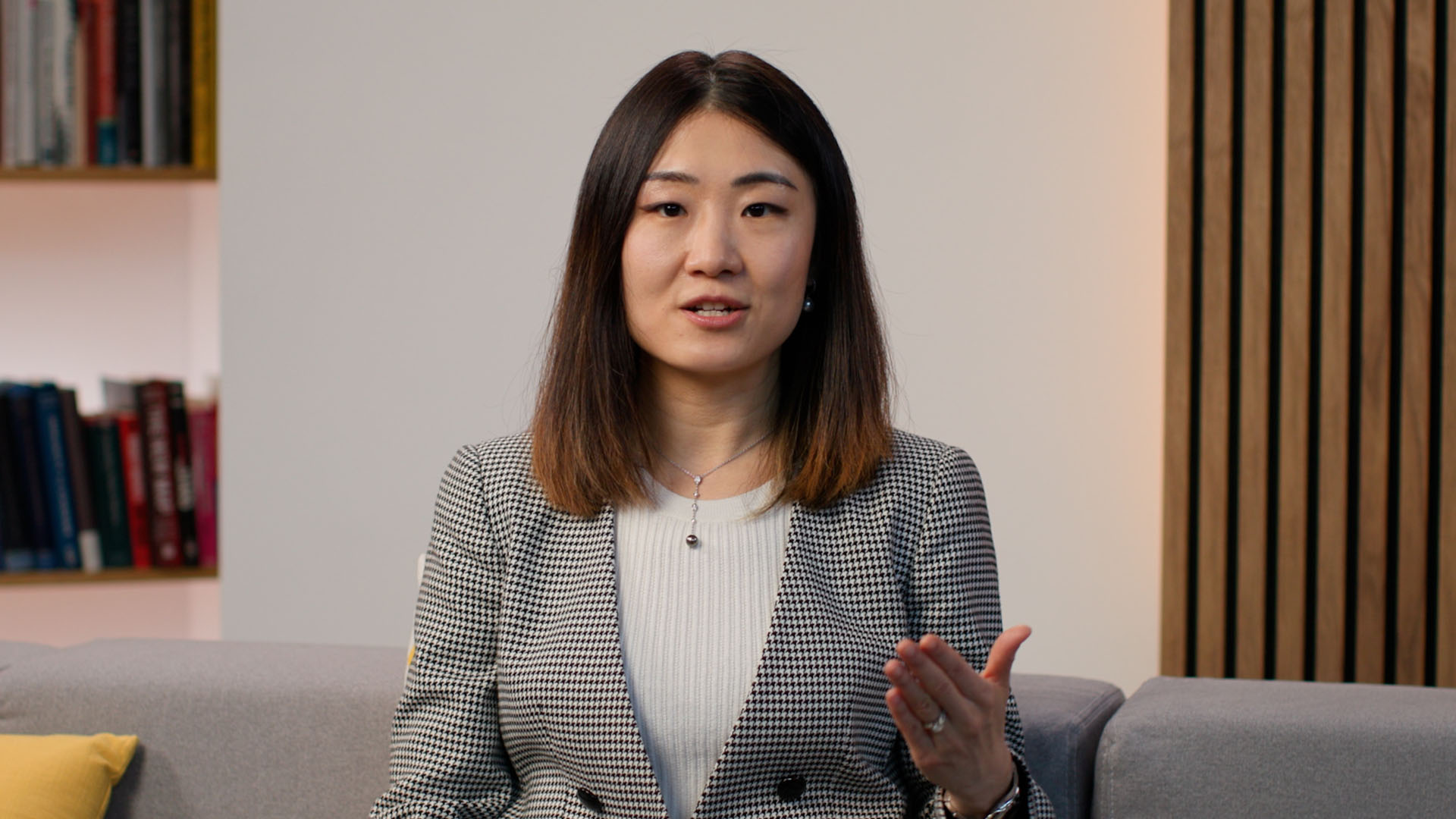
<p class="MsoNormal"><strong>Claire Swan (CW):</strong> Hello everyone from chilly Edinburgh. I do hear that it's very cold and going to be quite stormy for a lot of places in the United States and Canada this weekend, so I hope you're all staying warm. Welcome to our quarter four update for our Baillie Gifford Emerging Markets Fund, which has always been a good time to address the year more broadly as well. I'm Claire Swan and I'm a Relationship Manager for some of our large financial institution clients. And I'm joined today by Ben Buckler, who is a dedicated specialist on our Emerging Markets team. So the plan for the next 20-30 minutes is just the usual format. We will talk through the recent drivers of performance and the impact on the fund, how the current environment is influencing our investment decisions and our overall outlook. Before we hear from Ben, this is a chance to ask all of your burning questions, as we do have a live audience today. So thanks to those of you who have submitted questions in advance, we've incorporated those, but please keep them coming. You can enter them in the Q&A function and I will try my best to get to them all. So Ben, it seems like EM has made a comeback. The EM index has been up 34 per cent in 2025. And the mutual fund delivered a whopping 41 per cent. So let's talk about what's been driving that.</p>
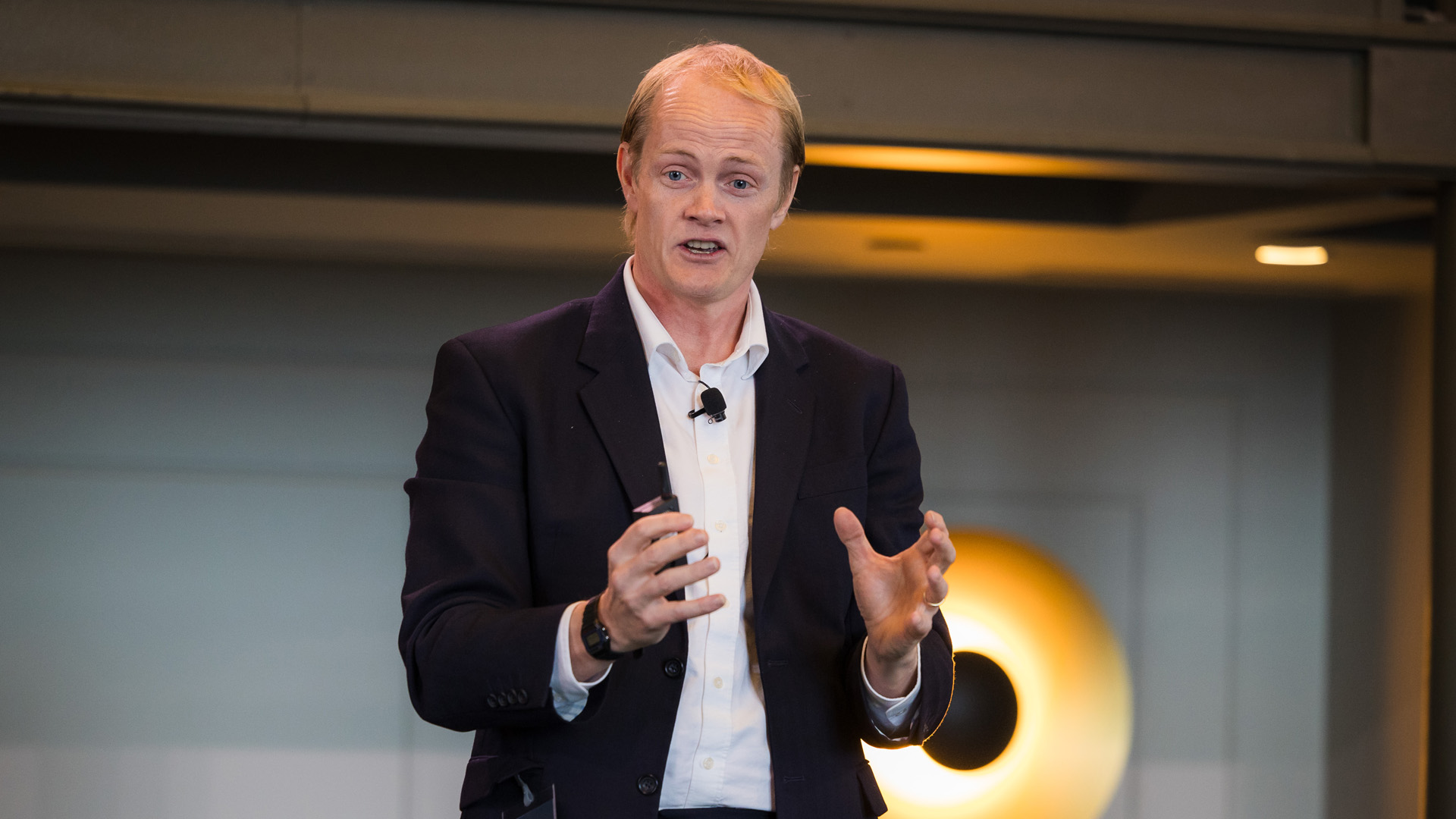
<p class="MsoNormal"><strong>Ben Buckler (BB):</strong> That's right. Hi, Claire. Thanks a lot. Hi, everybody. You're right. After several years now where emerging markets has promised quite a lot but delivered very little, then 2025 was clearly a genuinely different year. You know, not just in absolute terms, but also in a relative sense to developed markets, quite a strong year as well. And I guess what's interesting to us now is that EM didn't just outperform, it's forced investors to re-engage with the asset class. And as a result of that, we're kind of seeing the conversation shift a little bit. On the one hand, we used to talk about why bother with emerging markets, but that seems to be changing now towards a much more interesting question. How sustainable is this? One thing that hasn't changed, and I know that the fund's lead manager, Mike Gush, picked up on this in his quarterly update, but investing in emerging markets almost never feels comfortable. So, if we look back over the whole year, we've had trade wars, we've had real wars, we've had fears of bubbles in technology, we've had ongoing stress in China's property market, I could go on and on. And it feels like that discomfort has been fairly constant. And yet, as you said at the start, despite all of these headlines, performance has really been very strong. And that's been driven by two things that I'm sure we'll come back to. But these powerful forces that we've seen over the course of the last year that drove performance of the fund, the first was the ongoing AI investment cycle. And the second thing is really strength across a range of commodities too.</p>
<p class="MsoNormal"><strong>CS: </strong>Yeah, so there's so much to unpack here. It's no wonder that we've been joined by the biggest audience we have had at any of our webinars. Let's address the question that will be on everyone's lips. Was it just a strong year or are we seeing the foundations of a more sustainable phase for EM?</p>
<p class="MsoNormal"><strong>BB:</strong> To answer that one, I think we have to zoom out and think. think beyond quarters. And if we do that, then there are clearly some interesting trends at play. So the growing prominence of emerging markets, companies on a global stage, that's not just any more about scale or about cost. So we're increasingly now talking of deep structural shifts in things like demographics, consumption, innovation, governance, trends that are reshaping the balance of global growth. Maybe forgive me a bit, but if I think or try to make it real by talking about the world of sport. You know, Scotland, as some people might know, recently qualified for the Soccer World Cup held in the US this year. The last time we did that was 1998. And go back then, not a single emerging markets company was on the list of sponsors of the event at all. If we roll forward to this year, four of the leading six sponsors are from emerging markets, including Hyundai Motors as one of them, a company in the portfolio. So for everybody listening, keep an eye on the billboards to see just how far emerging markets companies have come. Let's bring it back to the portfolio. We've long talked about the strengths of North Asian technology companies, South Korea's memory names, Taiwan's semiconductor ecosystem, Chinese platforms. Hopefully, you know, people will also have heard of us talk about emerging markets making the stuff that the world needs. And that's not just semiconductors, but that's the raw materials required for the coming infrastructure build out. And so it's that barbell approach in the portfolio, the balance of exposures between the leading technology names and the commodity related companies that's been particularly helpful to performance over the quarter, but also over the last year.</p>
<p class="MsoNormal"><strong>CS:</strong> Okay, I can say with certainty that everyone here in Scotland is very excited about qualifying for the World Cup. But we have had a question in from a client, so let's stick to the market environment. The question is, can EM outperform in an environment of a stronger US dollar? What's our outlook on the dollar, Ben?</p>
<p class="MsoNormal"><strong>BB:</strong> I mean, I think our base case estimates would be for a weaker dollar and we've seen with the commodities already and the explicit political will for a weaker dollar is something that should be more supportive of emerging markets in general. I think to some extent though, the conversation shifted a little bit here to the resilience of the macroeconomics of emerging markets countries. You know, when we go back a decade or more, historically, every time you've had a stronger dollar, money's flowed out of emerging markets. That's caused problems in emerging markets, and the cycle has continued. I think this time really is slightly different in that context. And we've just gone through, over the last few years, probably one of the strongest tightening cycles in the US, and yet emerging markets have almost emerged at the forefront of that. So, you know, it's clearly something that there is correlation across that. Our expectation is probably for a weaker dollar over the course of the year. We're not currency specialists. And again, we would come back to the kind of companies that can double their earnings in hard currency returns. And when we think of it through that lens, we really still get quite excited about what emerging markets can offer in either environment.</p>
<p class="MsoNormal"><strong>CS:</strong> Okay, thank you. Let's move on to some themes that we're seeing. There's been quite a lot of talk about an AI bubble. Can I ask how the portfolio is positioned around AI and how you're thinking about it?</p>
<p class="MsoNormal"><strong>BB:</strong> Yep. I mean, AI is clearly a major theme for the portfolio. Roughly about 40 per cent of the fund today is probably directly related to AI in some way. So it's important. But I should say it's very deliberately not the whole story in what we think is a far more diversified portfolio. The most obvious beneficiaries of AI are the companies closest to the technology itself. So semiconductors, memory, networking, and perhaps unsurprisingly, they've been the main drivers of return. So particular note for the Korean name Samsung and SK Hynix. It's worth saying we've been trimming a number of the positions here. And that's not necessarily because the opportunities disappeared.</p>
<p class="MsoNormal"><strong>BB:</strong> It's not even because valuations have got out of hand. But it's more just to go back to this idea that we want to make sure the portfolio remains diversified and resilient against that backdrop. We've also been spending much more time recently on what you might call the less obvious or increasingly important beneficiaries of that AI investment cycle. And I think one constraint that is becoming very clear and that's power. A data centre without power is just a very expensive warehouse. And that's led us to selectively increase exposure to companies that sit further up the supply chain. So one new holding, for example, Brazil's leading power company, Axa Energia. Another one added to CATL, which is China's leading EV and storage company. So power generation, energy storage, critical materials are also quite important. You know, that's mainly because for us, AI isn't just a software or a semiconductor story.</p>
<p class="MsoNormal"><strong>BB:</strong> It's also an infrastructure story. And I think if we see it like that, then the opportunity set broadens. So as I said, in that context, power, grids, storage, materials, they're no longer peripheral. They're actually quite essential to what we're seeing. And the businesses in those kind of areas don't tend to get the same headlines as the chip makers. But I guess without them, that AI build out simply can't happen.</p>
<p class="MsoNormal"><strong>CS:</strong> Yeah, and you mentioned Samsung there, which is interesting because this time last year, you were stood here apologising for Samsung's performance. Can you talk then about what's perhaps changed?</p>
<p class="MsoNormal"><strong>BB:</strong> Yeah, it was our largest detractor in 24. And I remember that because it just didn't feel great at the time having to explain the challenges of why we own Samsung against a very difficult backdrop. I think what's happened since is quite a good reminder of how quickly cycles can turn. But it's also quite a good example of why patience is really quite important. And being able to stay invested through some of these uncomfortable periods really can matter to client returns. In some way, it was the troubles of 2024 that set it up for the joys of 2025, let's say. It went into 2025 with excess capacity when competitors were full. And now that memory prices have gone up by a huge amount, and you could look at DRAM, one form of memory, prices are up six-fold since August last year. And Samsung are filling their capacity at much higher prices, better profitability. against an industry that's been really quite disciplined on CapEx.</p>
<p class="MsoNormal"><strong>BB:</strong> So supply remains quite tight, and Samsung thinks shortages could persist for a number of years. They've also, on the foundry side, got their act together as well, and people may be aware of the big win from Tesla last year. So even after the run that Samsung's been on, it's on 11 times this year's PE. So the key question isn't really whether AI demand exists. It clearly does. It's just more a matter of how long the cycle will last. And I wonder whether some numbers might just be helpful here to illustrate the point. I mean, last year, Samsung made about 660,000 wafers a month for all of its clients put together. But it's also now signed a letter of intent from OpenAI to produce 900,000 wafers a month between it and Hynix. for open AI from 2029. So, we take those numbers with a healthy dose of scepticism. They're obviously aspirational and they'll no doubt change over time, but I think they really do force us to stay quite open-minded about the scale and certainly the duration of this current cycle.</p>
<p class="MsoNormal"><strong>CS: </strong>Yeah, so it sounds like we'll be hearing a lot more about Samsung in future. So leading on from this, we have had another question from a client related to Korea and the other great chip maker producer, Taiwan. How do you think about the attractions of these markets relative to India, which did poorly last year?</p>
<p class="MsoNormal"><strong>BB: </strong>Let's take Korea-Taiwan first perhaps. And I think from an investment perspective, clearly North Asia is far more exposed to the global cycle with the IT names, TSMC, Samsung, becoming an ever larger part of that opportunity set. Korea and Taiwan are clearly much further along the development curve. So relatively low and stable GDP, strong external balances, contained inflation. So the likes of FTSE already classify Korea as a developed market. I guess as a result of that, we probably find fewer domestic opportunities unless a company is genuinely innovative and leading-edge in those kinds of markets. And I should maybe just flag in the start of this year for those watching markets a bit more closely, Hyundai Motors has had a very strong start to the year simply on the back of its humanoid robot. So again, something that really is quite innovative there. India, by contrast, is probably far more attractive from a long-term growth perspective. You know, you've got favorable demographics, that rising wealth and domestic demand that accompanies that development. There's more scope for reform. There's a longer runway for manufacturing to play catch up. So, you know, that's the excitement, but that also comes with macro and policy uncertainty, sensitivity to energy prices, more volatile inflation, a lot of those macro elements that push the risk premier up. From a portfolio perspective, we've been underweight India for a number of years. And I guess that's not really for fundamental reasons. It's largely just to our own valuation discipline. It's very expensive for what is on offer. Clearly being underweight helped last year. India returned, I think, 4 per cent in US dollars against EM in 34 per cent returns. But even at 4 per cent growth in India, it means valuations remain largely unchanged. So we added one name in the fourth quarter, so Interglobe Aviation, which is India's leading airline. The airline is Indigo. But I think more broadly, we still struggle to find Indian companies on valuation multiples that compare favorably to the kind of things that we're finding and are more excited about elsewhere in EM.</p>
<p class="MsoNormal"><strong>CS:</strong> Let's get back to another key driver of return, and that's commodities.</p>
<p class="MsoNormal"><strong>BB:</strong> That's right, the second pillar, I guess, of the real drivers of last year's returns. And we're increasingly seeing commodities as the physical constraint to this digital world that everybody's now talking about. So as economies digitize, electrify, decarbonize, demand for the kind of tangible inputs is rising, and often far faster than suppliers able to respond. Maybe I'll start with gold. It sort of touched on the dollar a little bit there, but the combination that we've seen of a US easing cycle and that explicit political preference for a weaker dollar has been really quite supportive of precious metals. Again, at the start of the quarter or the end of the previous quarter, we participated in the IPO of Zijin Gold, a Chinese gold mining company, and its shares doubled over the fourth quarter. We've known its parent. It's been owned in the portfolio, Zijin Mining, for a number of years. We visited their mines and their management in China. And I think that relationship with management was really quite important to how we got access to that IPO. Lithium is another one that sort of illustrates a different part of that same story. So it's clearly gone through a difficult period, but easing upstream cost pressures now and very strong demand from battery storage EVs have started to drive quite a big recovery in commodity prices, and that's driven in share prices. On top of that, just on a due diligence perspective, we visited or went to a conference in Chengdu, China, all about lithium. And again, I think that just reinforced the positive outlook for that. That's played through so far into SQM, the Chilean miner of lithium, which was one of the significant contributors to performance over the quarter. And then finally, copper, which is probably the clearest example of the physical limits to electrification and AI. We're already seeing contract negotiations pointing to tighter supply, longer term projects suggesting that planned copper supply will only meet about 70 per cent of expected demand by 2035. And I think it's that structural gap that underpins our exposure to companies in the portfolio like First Quantum, like KGHM, and like London Mining. So when we talk about commodities, we're not really trying to think of short-term dynami<strong>CS:</strong>here. We're much more recognizing that the technologies driving the next phase of global growth are going to be deeply physical. And to some extent, that's why emerging markets matters, because it's the physical constraints to this AI development really do sit disproportionately in emerging markets.</p>
<p class="MsoNormal"><strong>CS:</strong> You mentioned China there, we can't do an EM call without talking about China, so what are your thoughts on the market?</p>
<p class="MsoNormal"><strong>BB:</strong> China had a good year overall, had a really strong start to the year. Q4 was relatively weak. And it feels a little bit more like taking a breather than anything more fundamental. We're clearly seeing ongoing problems in the property sector, and then that's just rolling into household confidence. But then you've got things like tariffs, trade tensions, geopolitical headwinds, and they've, to some extent, been obscuring some of this scale of that domestic opportunity. And for us, perhaps in contrast to what I said about India, it's the combination of high quality businesses and compellingly low valuations that remain quite hard to ignore when it comes to looking at China. What continues to matter is policy direction and an alignment to that. So over the quarter, we saw the 15th five-year plan that obviously places quite a lot of emphasis on things like artificial intelligence, computing infrastructure, semiconductors, advanced manufacturing, another one. I think that focus is important because it signals where capital, where incentives, and where innovation will be directed over time.</p>
<p class="MsoNormal"><strong>BB:</strong> China's shown, I think, before that where you put top-down policy, bottom-up innovation, and China's scale together, then entire industries can be reshaped. You know, if I go back 20 years, I think few people would have backed China to dominate telecoms or electric vehicles in the way they do today. And, you know, that victory or that history doesn't ensure victory in other areas, but I think it does argue against dismissing China's capacity to surprise. And we saw that last year as well with something like DeepSeek. Again, perhaps an interesting reminder of some of the underappreciated innovation that is going on on the ground today.</p>
<p class="MsoNormal"><strong>CS:</strong> The fund also has quite a lot of investments in the consumer sector. Is there anything there that you'd like to highlight?</p>
<p class="MsoNormal"><strong>BB:</strong> On the consumer side, confidence remains subdued, partly I think linked to the property side of things. What's changed is that supporting consumption is now explicitly embedded in that five-year plan. It's gone from being an economic priority to a political priority. And that matters because it anchors sort of policy intent, even if it takes time to feed through. I don't want to gloss over some of the challenges at the stock level in the portfolio. We've seen in particularly in ecommerce and food delivery, for example, that's impacted particularly Meituan. But if I sort of keep at the big picture, you know, we can still see the potential for the consumer and to some extent the stock market. And again, I'll maybe put some context here. You know, Chinese household savings are about $23tn US.</p>
<p class="MsoNormal"><strong>BB:</strong> dollars in bank deposits, which is roughly comparable to its equity market. In the US, I think the picture is really very different. The equity market dwarfs the size of household deposits. So, if you're local Chinese and you can't get your money out of China, you don't want to put it in the property market. Gold is at all-time highs. Interest rates are at decade lows. We think it's probably reasonable to be open-minded about the government's growing interest in the stock market as a source of household wealth creation. And again, we're not positioning for a surge here, but I think the asymmetry is really worth noting. Expectations are low, valuations remain compelling, and even a marginal change there could actually have quite a material impact on returns.</p>
<p class="MsoNormal"><strong>CS:</strong> Well, it certainly seems like an attractive opportunity. In the interest of time, though, let's have a look at some transactions. You did mention the new holdings in Interglobe Aviation. Were there others?</p>
<p class="MsoNormal"><strong>BB:</strong> Maybe just to finish the China one, so people don't think we've drunk too much of the Kool-Aid. We're roughly neutral in China because of the geopolitical concerns there. So yes, regulatory tailwinds. Yes, growth tailwinds. But just to sort of balance that, the geopolitics is something that we take. It is quite important to the risk side of things. And that's why we are positioned at a country level where we are, even if at a company level, we're quite excited. Sorry, Claire. Back to the transactions I mentioned InterGlobe. The transactions, there were four new buys over the quarter.</p>
<p class="MsoNormal">I think they're representative of the breadth of the growth opportunities that we're seeing. So on top of Indian Airline, we bought a new holding in EMAR, that's Dubai's dominant property developer. Capitec, so that's South Africa's largest retail bank by customers. Quite an innovative, disruptive bank growing very fast down there. And a company called Montage, which is a Chinese memory interface chip manufacturer. So four very different companies in four different countries. They were funded by two sales of Chinese companies. Again, Li Ning is a sportswear company where we just think we've got better domestic exposure elsewhere. And KE Holdings in the property space, just where the industry background remains really quite difficult. Finally, just as I mentioned earlier, we have been reducing some of the companies performed very well. So, on the commodity side, Impala Platinum, First Quantum and SQM, and on the AI side of things in names like Hynix, TSMC, Acton and Baidu.</p>
<p class="MsoNormal"><strong>CS:</strong> Okay, yeah, I mean, you know, geopolitics<strong> </strong>is always, you know, a topic in emerging markets. And you did mention earlier that EM almost never feels comfortable. We've obviously had the situation in Venezuela at the start of the year. So let's spend a minute to talk about that.</p>
<p class="MsoNormal"><strong>BB:</strong> Where do I start? We know, I guess, geopolitics is where emerging markets nerves show first, and Venezuela has given us quite a good example of that at the start of this year. As with ever, I think, when we talk about geopolitics, we need to acknowledge that US foreign policy, diplomacy, they're not our areas of expertise. But what we can expect to do is think through the implications of some of these things in quite a structured way. Maybe starting with a couple of clarifications, we don't own any investments in Venezuela. It's not part of emerging markets. It's effectively been uninvestable for a number of decades. Our portfolios do own Latin American banks, but it's worth stressing that none of the major banks in the region have exposure or meaningful exposure to Venezuela. Two important areas to consider are energy and then potentially regional contagion for energy. Any progress will be slow, it'll be capital-intensive, and it's going to be highly political.</p>
<p class="MsoNormal"><strong>BB:</strong> So the idea that you can just go there, turn the taps on and change the face of the oil industry globally, I think is wrong. For regional contagion, again, I think the risks are relatively low. So years of hyperinflation, defaults and sanctions, they've already led to quite a significant contraction in Venezuela's trade and financial links. So in short, it remains geopolitically significant, but actually economically, perhaps much more contained.</p>
<p class="MsoNormal"><strong>CS: </strong>I'm sure that alleviate some concerns, but Brazil still remains the biggest country overweight in the fund. So does what happened in Venezuela change our thoughts there?</p>
<p class="MsoNormal"><strong>BB:</strong> The short answer is no. Slightly longer answer to be more helpful. The longer answer would go deeper into Brazilian politics. There's an election coming up later this year that will lead to market volatility. What we've seen in Venezuela may push Brazil to the right, which I guess could be positive for markets. But If we're honest, one thing that we've long talked about when it comes to Brazil is that it's commodities and commodity prices that matter far more to Brazil than its politics. And on that front, things are looking good. On the macro front, inflation in Brazil has come down from over 10 per cent to under 4 per cent. That provides room for interest rates to start coming down, and that should gradually feed through to corporate activity and to consumer demand.</p>
<p class="MsoNormal"><strong>BB:</strong> Against that background, what have we been doing? We've actually tilted the Brazil holdings a bit more towards domestic Brazil, that domestic opportunity. So I mentioned the new purchase of Brazil's leading power company. It used to be called Electrobras. It's changed its name to Axa Energia. We've also added to B3, the stock market in the finance space. And MercadoLibre was one of the biggest detractors to performance in Q4, but we used that as an opportunity to add to MercadoLibre. Probably worth just mentioning as well, we've got three of the team going out to Brazil and Chile at the end of this quarter. So, we're obviously looking forward to testing some of our thesis on the ground over there and should have more to report in this time next quarter.</p>
<p class="MsoNormal"><strong>CS:</strong> Well, that'll certainly be something to look out for. So, as we look forward to 2026 then, are you optimistic?</p>
<p class="MsoNormal"><strong>BB:</strong> As we look forward, what strikes us most about emerging markets is probably their resilience. We're not relying on one country, one theme, or one outcome. Increasingly, we're sort of invested in the parts of the global economy where growth is being built. Maybe, I guess, three reasons that we continue to be quite optimistic. The first would just be the fundamentals we've talked about. Company and country balance sheets are in better shape. Macro vulnerabilities are lower. Inflation is more contained. So central banks have a bit more scope to support growth. And that's probably a very different starting point to what we've seen in many other emerging market cycles.</p>
<p class="MsoNormal"><strong>BB:</strong> Secondly would be valuations. Emerging markets offer a way to play that growth without necessarily paying developed market multiples. So even after a very strong year, you don't necessarily have to assume hugely heroic outcomes for returns to be attractive. Third, and I think we've probably touched on this all the way through, but just to sort of bring it to the fore, emerging markets sit at the centre of some of the forces that are shaping that next phase of development. So artificial intelligence and semiconductors to consumption, energy, electrification, and then the physical commodities that underpin them. And increasingly, perhaps the lines between technology and resources are blurring and EM are right at the center of that convergence. I said three, I'm actually going to cheekily put four in there because I wouldn't be a Baillie Gifford response. We've focused a lot on some of the macro and the themes, but really it's the number of innovative, well-managed companies, companies that are globally leading in emerging markets that is also a real driver of our optimism. Despite contributing more than half of GDP from emerging markets and an even larger share of that global growth. Emerging markets is still roughly or a little over 10 per cent in global equity indices and that imbalance hasn't really gone away anywhere.</p>
<p class="MsoNormal"><strong>BB:</strong> So, sort of to come full circle, I think emerging markets won't stop feeling uncomfortable. But to some extent today, that discomfort is being increasingly paired with stronger balance sheets with better policy flexibility and with some clear structural tailwinds. So yes, we are happy that EM did very well last year, but we are, we hope, well positioned for what could be ongoing strength.</p>
<p class="MsoNormal"><strong>CS:</strong> Great. Well, thank you, Ben. And thanks to everyone for joining us today and for your questions. For anyone who is interested in a bit more on the year of 2025, there is a link to our latest piece at the side of your screen that makes an interesting comparison to Nirvana's classic album, Nevermind. I bet you didn't expect me to say that. We also have a wealth of insights available on our website and LinkedIn pages. So please do follow us and sign up to our monthly mailings to ensure that you receive our latest pieces. I wish everybody a great rest of your day and I hope that you can stay warm. Thank you.</p>
<p class="MsoNormal"> </p>
<h3>Emerging Markets</h3>
<h3>Annual past performance to 31 December each year (%)</h3>
<table border="1" cellspacing="0" cellpadding="0" width="100%" class="MsoNormalTable" style="width: 100.0%; border-collapse: collapse; border: none; mso-border-alt: outset windowtext .25pt; mso-yfti-tbllook: 1184;">
<tbody>
<tr style="mso-yfti-irow: 0; mso-yfti-firstrow: yes; height: 13.9pt;">
<td style="border-width: 1pt 1pt 1.5pt; border-style: solid; border-color: rgb(204, 204, 204) rgb(204, 204, 204) black; border-image: initial; padding: 7.5pt; height: 13.9pt; width: 60.3133%;">
<p class="MsoNormal"> </p>
</td>
<td style="border-top: 1pt solid rgb(204, 204, 204); border-left: none; border-bottom: 1.5pt solid black; border-right: 1pt solid rgb(204, 204, 204); padding: 7.5pt; height: 13.9pt; width: 7.96345%;">
<p class="MsoNormal"><strong>2021</strong></p>
</td>
<td style="border-top: 1pt solid rgb(204, 204, 204); border-left: none; border-bottom: 1.5pt solid black; border-right: 1pt solid rgb(204, 204, 204); padding: 7.5pt; height: 13.9pt; width: 8.09399%;">
<p class="MsoNormal"><strong>2022</strong></p>
</td>
<td style="border-top: 1pt solid rgb(204, 204, 204); border-left: none; border-bottom: 1.5pt solid black; border-right: 1pt solid rgb(204, 204, 204); padding: 7.5pt; height: 13.9pt; width: 7.96345%;">
<p class="MsoNormal"><strong>2023</strong></p>
</td>
<td style="border-top: 1pt solid rgb(204, 204, 204); border-left: none; border-bottom: 1.5pt solid black; border-right: 1pt solid rgb(204, 204, 204); padding: 7.5pt; height: 13.9pt; width: 7.96345%;">
<p class="MsoNormal"><strong>2024</strong></p>
</td>
<td style="border-top: 1pt solid rgb(204, 204, 204); border-left: none; border-bottom: 1.5pt solid black; border-right: 1pt solid rgb(204, 204, 204); padding: 7.5pt; height: 13.9pt; width: 7.96345%;">
<p class="MsoNormal"><strong>2025</strong></p>
</td>
</tr>
<tr style="mso-yfti-irow: 1; height: 13.9pt;">
<td style="border-right: 1pt solid rgb(204, 204, 204); border-bottom: 1pt solid rgb(204, 204, 204); border-left: 1pt solid rgb(204, 204, 204); border-image: initial; border-top: none; padding: 7.5pt; height: 13.9pt; width: 60.3133%;">
<p class="MsoNormal"> Emerging Markets All Cap Composite (gross)</p>
</td>
<td style="border-top: none; border-left: none; border-bottom: 1pt solid rgb(204, 204, 204); border-right: 1pt solid rgb(204, 204, 204); padding: 7.5pt; height: 13.9pt; width: 7.96345%;">-7.8</td>
<td style="border-top: none; border-left: none; border-bottom: 1pt solid rgb(204, 204, 204); border-right: 1pt solid rgb(204, 204, 204); padding: 7.5pt; height: 13.9pt; width: 8.09399%;">-26.5</td>
<td style="border-top: none; border-left: none; border-bottom: 1pt solid rgb(204, 204, 204); border-right: 1pt solid rgb(204, 204, 204); padding: 7.5pt; height: 13.9pt; width: 7.96345%;">15.1</td>
<td style="border-top: none; border-left: none; border-bottom: 1pt solid rgb(204, 204, 204); border-right: 1pt solid rgb(204, 204, 204); padding: 7.5pt; height: 13.9pt; width: 7.96345%;">6.9</td>
<td style="border-top: none; border-left: none; border-bottom: 1pt solid rgb(204, 204, 204); border-right: 1pt solid rgb(204, 204, 204); padding: 7.5pt; height: 13.9pt; width: 7.96345%;">40.6</td>
</tr>
<tr style="mso-yfti-irow: 2; height: 13.9pt;">
<td style="border-right: 1pt solid rgb(204, 204, 204); border-bottom: 1pt solid rgb(204, 204, 204); border-left: 1pt solid rgb(204, 204, 204); border-image: initial; border-top: none; padding: 7.5pt; height: 13.9pt; width: 60.3133%;">
<p class="MsoNormal"> Emerging Markets All Cap Composite (net)</p>
</td>
<td style="border-top: none; border-left: none; border-bottom: 1pt solid rgb(204, 204, 204); border-right: 1pt solid rgb(204, 204, 204); padding: 7.5pt; height: 13.9pt; width: 7.96345%;">-8.5</td>
<td style="border-top: none; border-left: none; border-bottom: 1pt solid rgb(204, 204, 204); border-right: 1pt solid rgb(204, 204, 204); padding: 7.5pt; height: 13.9pt; width: 8.09399%;">-27.1</td>
<td style="border-top: none; border-left: none; border-bottom: 1pt solid rgb(204, 204, 204); border-right: 1pt solid rgb(204, 204, 204); padding: 7.5pt; height: 13.9pt; width: 7.96345%;">14.2</td>
<td style="border-top: none; border-left: none; border-bottom: 1pt solid rgb(204, 204, 204); border-right: 1pt solid rgb(204, 204, 204); padding: 7.5pt; height: 13.9pt; width: 7.96345%;">6.1</td>
<td style="border-top: none; border-left: none; border-bottom: 1pt solid rgb(204, 204, 204); border-right: 1pt solid rgb(204, 204, 204); padding: 7.5pt; height: 13.9pt; width: 7.96345%;">39.4</td>
</tr>
<tr>
<td style="border-right: 1pt solid rgb(204, 204, 204); border-bottom: 1pt solid rgb(204, 204, 204); border-left: 1pt solid rgb(204, 204, 204); border-image: initial; border-top: none; padding: 7.5pt; width: 60.3133%;">
<p class="MsoNormal">Emerging Markets Leading Companies Composite (gross)</p>
</td>
<td style="border-top: none; border-left: none; border-bottom: 1pt solid rgb(204, 204, 204); border-right: 1pt solid rgb(204, 204, 204); padding: 7.5pt; width: 7.96345%;">-7.5</td>
<td style="border-top: none; border-left: none; border-bottom: 1pt solid rgb(204, 204, 204); border-right: 1pt solid rgb(204, 204, 204); padding: 7.5pt; width: 8.09399%;">-25.4</td>
<td style="border-top: none; border-left: none; border-bottom: 1pt solid rgb(204, 204, 204); border-right: 1pt solid rgb(204, 204, 204); padding: 7.5pt; width: 7.96345%;">11.9</td>
<td style="border-top: none; border-left: none; border-bottom: 1pt solid rgb(204, 204, 204); border-right: 1pt solid rgb(204, 204, 204); padding: 7.5pt; width: 7.96345%;">6.6</td>
<td style="border-top: none; border-left: none; border-bottom: 1pt solid rgb(204, 204, 204); border-right: 1pt solid rgb(204, 204, 204); padding: 7.5pt; width: 7.96345%;">35.3</td>
</tr>
<tr>
<td style="border-right: 1pt solid rgb(204, 204, 204); border-bottom: 1pt solid rgb(204, 204, 204); border-left: 1pt solid rgb(204, 204, 204); border-image: initial; border-top: none; padding: 7.5pt; width: 60.3133%;">
<p class="MsoNormal">Emerging Markets Leading Companies Composite (net)</p>
</td>
<td style="border-top: none; border-left: none; border-bottom: 1pt solid rgb(204, 204, 204); border-right: 1pt solid rgb(204, 204, 204); padding: 7.5pt; width: 7.96345%;">-8.3</td>
<td style="border-top: none; border-left: none; border-bottom: 1pt solid rgb(204, 204, 204); border-right: 1pt solid rgb(204, 204, 204); padding: 7.5pt; width: 8.09399%;">-26.0</td>
<td style="border-top: none; border-left: none; border-bottom: 1pt solid rgb(204, 204, 204); border-right: 1pt solid rgb(204, 204, 204); padding: 7.5pt; width: 7.96345%;">11.0</td>
<td style="border-top: none; border-left: none; border-bottom: 1pt solid rgb(204, 204, 204); border-right: 1pt solid rgb(204, 204, 204); padding: 7.5pt; width: 7.96345%;">5.8</td>
<td style="border-top: none; border-left: none; border-bottom: 1pt solid rgb(204, 204, 204); border-right: 1pt solid rgb(204, 204, 204); padding: 7.5pt; width: 7.96345%;">34.2</td>
</tr>
<tr style="mso-yfti-irow: 3; mso-yfti-lastrow: yes; height: 13.9pt;">
<td style="border-right: 1pt solid rgb(204, 204, 204); border-bottom: 1pt solid rgb(204, 204, 204); border-left: 1pt solid rgb(204, 204, 204); border-image: initial; border-top: none; padding: 7.5pt; height: 13.9pt; width: 60.3133%;">
<p class="MsoNormal">MSCI Emerging Markets index</p>
</td>
<td style="border-top: none; border-left: none; border-bottom: 1pt solid rgb(204, 204, 204); border-right: 1pt solid rgb(204, 204, 204); padding: 7.5pt; height: 13.9pt; width: 7.96345%;">-2.2</td>
<td style="border-top: none; border-left: none; border-bottom: 1pt solid rgb(204, 204, 204); border-right: 1pt solid rgb(204, 204, 204); padding: 7.5pt; height: 13.9pt; width: 8.09399%;">-19.7</td>
<td style="border-top: none; border-left: none; border-bottom: 1pt solid rgb(204, 204, 204); border-right: 1pt solid rgb(204, 204, 204); padding: 7.5pt; height: 13.9pt; width: 7.96345%;">10.3</td>
<td style="border-top: none; border-left: none; border-bottom: 1pt solid rgb(204, 204, 204); border-right: 1pt solid rgb(204, 204, 204); padding-top: 7.5pt; padding-right: 7.5pt; padding-bottom: 7.5pt; height: 13.9pt; width: 7.96345%;"> 8.1</td>
<td style="border-top: none; border-left: none; border-bottom: 1pt solid rgb(204, 204, 204); border-right: 1pt solid rgb(204, 204, 204); padding: 7.5pt; height: 13.9pt; width: 7.96345%;">34.4</td>
</tr>
</tbody>
</table>
<p class="MsoNormal"> </p>
<h3>Annualised returns to 31 December 2025 (%)</h3>
<table border="1" cellspacing="0" cellpadding="0" width="100%" class="MsoNormalTable" style="width: 100.0%; border-collapse: collapse; border: none; mso-border-alt: outset windowtext .25pt; mso-yfti-tbllook: 1184;">
<tbody>
<tr style="mso-yfti-irow: 0; mso-yfti-firstrow: yes; height: 27.75pt;">
<td width="61%" style="width: 61.32%; border: solid #CCCCCC 1.0pt; border-bottom: solid black 1.5pt; mso-border-alt: solid #CCCCCC .75pt; mso-border-bottom-alt: solid black 1.5pt; padding: 7.5pt 7.5pt 7.5pt 7.5pt; height: 27.75pt;">
<p class="MsoNormal"> </p>
</td>
<td width="13%" style="width: 13.1%; border-top: solid #CCCCCC 1.0pt; border-left: none; border-bottom: solid black 1.5pt; border-right: solid #CCCCCC 1.0pt; mso-border-left-alt: solid #CCCCCC .75pt; mso-border-alt: solid #CCCCCC .75pt; mso-border-bottom-alt: solid black 1.5pt; padding: 7.5pt 7.5pt 7.5pt 7.5pt; height: 27.75pt;">
<p class="MsoNormal"><strong>1 year</strong></p>
</td>
<td width="12%" style="width: 12.7%; border-top: solid #CCCCCC 1.0pt; border-left: none; border-bottom: solid black 1.5pt; border-right: solid #CCCCCC 1.0pt; mso-border-left-alt: solid #CCCCCC .75pt; mso-border-alt: solid #CCCCCC .75pt; mso-border-bottom-alt: solid black 1.5pt; padding: 7.5pt 7.5pt 7.5pt 7.5pt; height: 27.75pt;">
<p class="MsoNormal"><strong>5 years</strong></p>
</td>
<td width="12%" style="width: 12.84%; border-top: solid #CCCCCC 1.0pt; border-left: none; border-bottom: solid black 1.5pt; border-right: solid #CCCCCC 1.0pt; mso-border-left-alt: solid #CCCCCC .75pt; mso-border-alt: solid #CCCCCC .75pt; mso-border-bottom-alt: solid black 1.5pt; padding: 7.5pt 7.5pt 7.5pt 7.5pt; height: 27.75pt;">
<p class="MsoNormal"><strong>10 years</strong></p>
</td>
</tr>
<tr style="mso-yfti-irow: 1; height: 13.9pt;">
<td width="61%" style="width: 61.32%; border: solid #CCCCCC 1.0pt; border-top: none; mso-border-top-alt: solid #CCCCCC .75pt; mso-border-alt: solid #CCCCCC .75pt; padding: 7.5pt 7.5pt 7.5pt 7.5pt; height: 13.9pt;">
<p class="MsoNormal">Emerging Markets All Cap Composite (gross)</p>
</td>
<td width="13%" style="width: 13.1%; border-top: none; border-left: none; border-bottom: solid #CCCCCC 1.0pt; border-right: solid #CCCCCC 1.0pt; mso-border-top-alt: solid #CCCCCC .75pt; mso-border-left-alt: solid #CCCCCC .75pt; mso-border-alt: solid #CCCCCC .75pt; padding: 7.5pt 7.5pt 7.5pt 7.5pt; height: 13.9pt;">40.6</td>
<td width="12%" style="width: 12.7%; border-top: none; border-left: none; border-bottom: solid #CCCCCC 1.0pt; border-right: solid #CCCCCC 1.0pt; mso-border-top-alt: solid #CCCCCC .75pt; mso-border-left-alt: solid #CCCCCC .75pt; mso-border-alt: solid #CCCCCC .75pt; padding: 7.5pt 7.5pt 7.5pt 7.5pt; height: 13.9pt;">3.2</td>
<td width="12%" style="width: 12.84%; border-top: none; border-left: none; border-bottom: solid #CCCCCC 1.0pt; border-right: solid #CCCCCC 1.0pt; mso-border-top-alt: solid #CCCCCC .75pt; mso-border-left-alt: solid #CCCCCC .75pt; mso-border-alt: solid #CCCCCC .75pt; padding: 7.5pt 7.5pt 7.5pt 7.5pt; height: 13.9pt;">10.5</td>
</tr>
<tr style="mso-yfti-irow: 2; height: 13.9pt;">
<td width="61%" style="width: 61.32%; border: solid #CCCCCC 1.0pt; border-top: none; mso-border-top-alt: solid #CCCCCC .75pt; mso-border-alt: solid #CCCCCC .75pt; padding: 7.5pt 7.5pt 7.5pt 7.5pt; height: 13.9pt;">Emerging Markets All Cap Composite (net)</td>
<td width="13%" style="width: 13.1%; border-top: none; border-left: none; border-bottom: solid #CCCCCC 1.0pt; border-right: solid #CCCCCC 1.0pt; mso-border-top-alt: solid #CCCCCC .75pt; mso-border-left-alt: solid #CCCCCC .75pt; mso-border-alt: solid #CCCCCC .75pt; padding: 7.5pt 7.5pt 7.5pt 7.5pt; height: 13.9pt;">39.4</td>
<td width="12%" style="width: 12.7%; border-top: none; border-left: none; border-bottom: solid #CCCCCC 1.0pt; border-right: solid #CCCCCC 1.0pt; mso-border-top-alt: solid #CCCCCC .75pt; mso-border-left-alt: solid #CCCCCC .75pt; mso-border-alt: solid #CCCCCC .75pt; padding: 7.5pt 7.5pt 7.5pt 7.5pt; height: 13.9pt;">2.4</td>
<td width="12%" style="width: 12.84%; border-top: none; border-left: none; border-bottom: solid #CCCCCC 1.0pt; border-right: solid #CCCCCC 1.0pt; mso-border-top-alt: solid #CCCCCC .75pt; mso-border-left-alt: solid #CCCCCC .75pt; mso-border-alt: solid #CCCCCC .75pt; padding: 7.5pt 7.5pt 7.5pt 7.5pt; height: 13.9pt;">9.6</td>
</tr>
<tr>
<td style="width: 61.32%; border-right: 1pt solid rgb(204, 204, 204); border-bottom: 1pt solid rgb(204, 204, 204); border-left: 1pt solid rgb(204, 204, 204); border-image: initial; border-top: none; padding: 7.5pt;">Emerging Markets Leading Companies Composite (gross)</td>
<td style="width: 13.1%; border-top: none; border-left: none; border-bottom: 1pt solid rgb(204, 204, 204); border-right: 1pt solid rgb(204, 204, 204); padding: 7.5pt;">35.3</td>
<td style="width: 12.7%; border-top: none; border-left: none; border-bottom: 1pt solid rgb(204, 204, 204); border-right: 1pt solid rgb(204, 204, 204); padding: 7.5pt;">2.2</td>
<td style="width: 12.84%; border-top: none; border-left: none; border-bottom: 1pt solid rgb(204, 204, 204); border-right: 1pt solid rgb(204, 204, 204); padding: 7.5pt;">10.8</td>
</tr>
<tr>
<td style="width: 61.32%; border-right: 1pt solid rgb(204, 204, 204); border-bottom: 1pt solid rgb(204, 204, 204); border-left: 1pt solid rgb(204, 204, 204); border-image: initial; border-top: none; padding: 7.5pt;">Emerging Markets Leading Companies Composite (net)</td>
<td style="width: 13.1%; border-top: none; border-left: none; border-bottom: 1pt solid rgb(204, 204, 204); border-right: 1pt solid rgb(204, 204, 204); padding: 7.5pt;">34.2</td>
<td style="width: 12.7%; border-top: none; border-left: none; border-bottom: 1pt solid rgb(204, 204, 204); border-right: 1pt solid rgb(204, 204, 204); padding: 7.5pt;">1.3</td>
<td style="width: 12.84%; border-top: none; border-left: none; border-bottom: 1pt solid rgb(204, 204, 204); border-right: 1pt solid rgb(204, 204, 204); padding: 7.5pt;">9.8</td>
</tr>
<tr style="mso-yfti-irow: 3; mso-yfti-lastrow: yes; height: 13.9pt;">
<td width="61%" style="width: 61.32%; border: solid #CCCCCC 1.0pt; border-top: none; mso-border-top-alt: solid #CCCCCC .75pt; mso-border-alt: solid #CCCCCC .75pt; padding: 7.5pt 7.5pt 7.5pt 7.5pt; height: 13.9pt;">
<p class="MsoNormal">MSCI Emerging Markets index</p>
</td>
<td width="13%" style="width: 13.1%; border-top: none; border-left: none; border-bottom: solid #CCCCCC 1.0pt; border-right: solid #CCCCCC 1.0pt; mso-border-top-alt: solid #CCCCCC .75pt; mso-border-left-alt: solid #CCCCCC .75pt; mso-border-alt: solid #CCCCCC .75pt; padding: 7.5pt 7.5pt 7.5pt 7.5pt; height: 13.9pt;">34.4</td>
<td width="12%" style="width: 12.7%; border-top: none; border-left: none; border-bottom: 1pt solid rgb(204, 204, 204); border-right: 1pt solid rgb(204, 204, 204); padding-top: 7.5pt; padding-right: 7.5pt; padding-bottom: 7.5pt; height: 13.9pt;"> 4.7</td>
<td width="12%" style="width: 12.84%; border-top: none; border-left: none; border-bottom: 1pt solid rgb(204, 204, 204); border-right: 1pt solid rgb(204, 204, 204); padding-top: 7.5pt; padding-right: 7.5pt; padding-bottom: 7.5pt; height: 13.9pt;"> 8.9</td>
</tr>
</tbody>
</table>
<p><span class="source-text">Source: Revolution, MSCI. US dollars. Returns have been calculated by reducing the gross return by the highest annual management fee for the composite. 1 year figures are not annualised.</span></p>
<p>Past performance is not a guide to future returns.</p>
<p><span class="source-text">Legal notice: MSCI makes no express or implied warranties or representations and shall have no liability whatsoever with respect to any MSCI data contained herein. The MSCI data may not be further redistributed or used as a basis for other indexes or any securities or financial products. This report is not approved, endorsed, reviewed or produced by MSCI. None of the MSCI data is intended to constitute investment advice or a recommendation to make (or refrain from making) any kind of investment decision and may not be relied on as such.</span></p>
<p> </p>
<h3>Risk factors </h3>
<p>The views expressed should not be considered as advice or a recommendation to buy, sell or hold a particular investment. They reflect opinion and should not be taken as statements of fact nor should any reliance be placed on them when making investment decisions.</p>
<p> This communication was produced and approved in January 2026 and has not been updated subsequently. It represents views held at the time and may not reflect current thinking.</p>
<p>All investment strategies have the potential for profit and loss, your or your clients’ capital may be at risk. Past performance is not a guide to future returns. </p>
<p>This communication contains information on investments which does not constitute independent research. Accordingly, it is not subject to the protections afforded to independent research, but is classified as advertising under Art 68 of the Financial Services Act (‘FinSA’) and Baillie Gifford and its staff may have dealt in the investments concerned.</p>
<p>All information is sourced from Baillie Gifford & Co and is current unless otherwise stated. </p>
<p>Baillie Gifford & Co and Baillie Gifford & Co Limited are authorised and regulated by the Financial Conduct Authority (FCA). Baillie Gifford & Co Limited is an Authorised Corporate Director of OEICs.</p>
<p>Baillie Gifford Overseas Limited provides investment management and advisory services to non-UK Professional/Institutional clients only. Baillie Gifford Overseas Limited is wholly owned by Baillie Gifford & Co. Baillie Gifford & Co and Baillie Gifford Overseas Limited are authorised and regulated by the FCA in the UK. </p>
<p>Persons resident or domiciled outside the UK should consult with their professional advisers as to whether they require any governmental or other consents in order to enable them to invest, and with their tax advisers for advice relevant to their own particular circumstances.</p>
<p><strong>Financial intermediaries</strong></p>
<p>This communication is suitable for use of financial intermediaries. Financial intermediaries are solely responsible for any further distribution and Baillie Gifford takes no responsibility for the reliance on this document by any other person who did not receive this document directly from Baillie Gifford.</p>