
View transcript
<p><strong>Your capital is at risk. Past performance is not a guide to future returns.</strong></p>
<p class="MsoNormal"> </p>
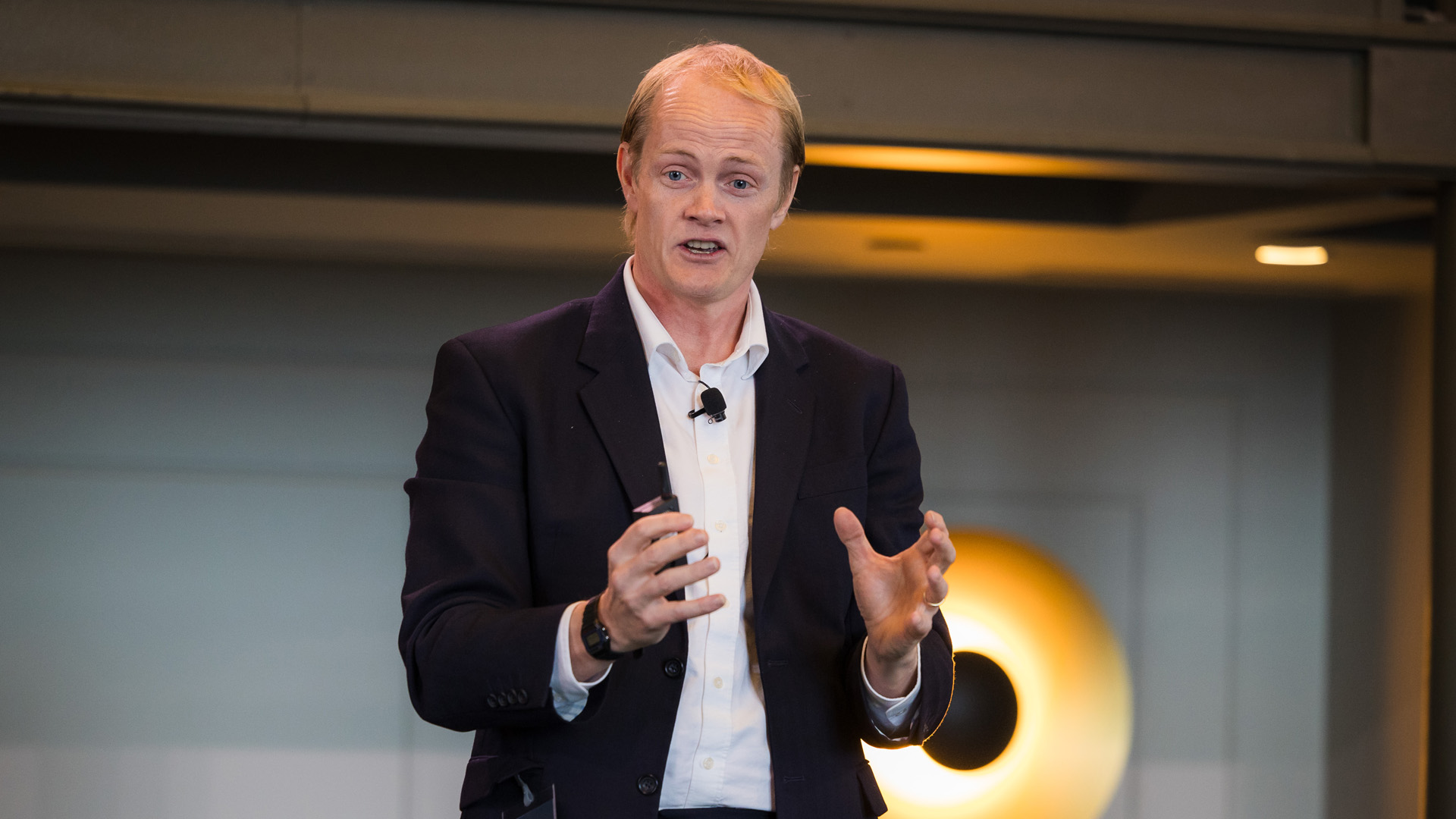
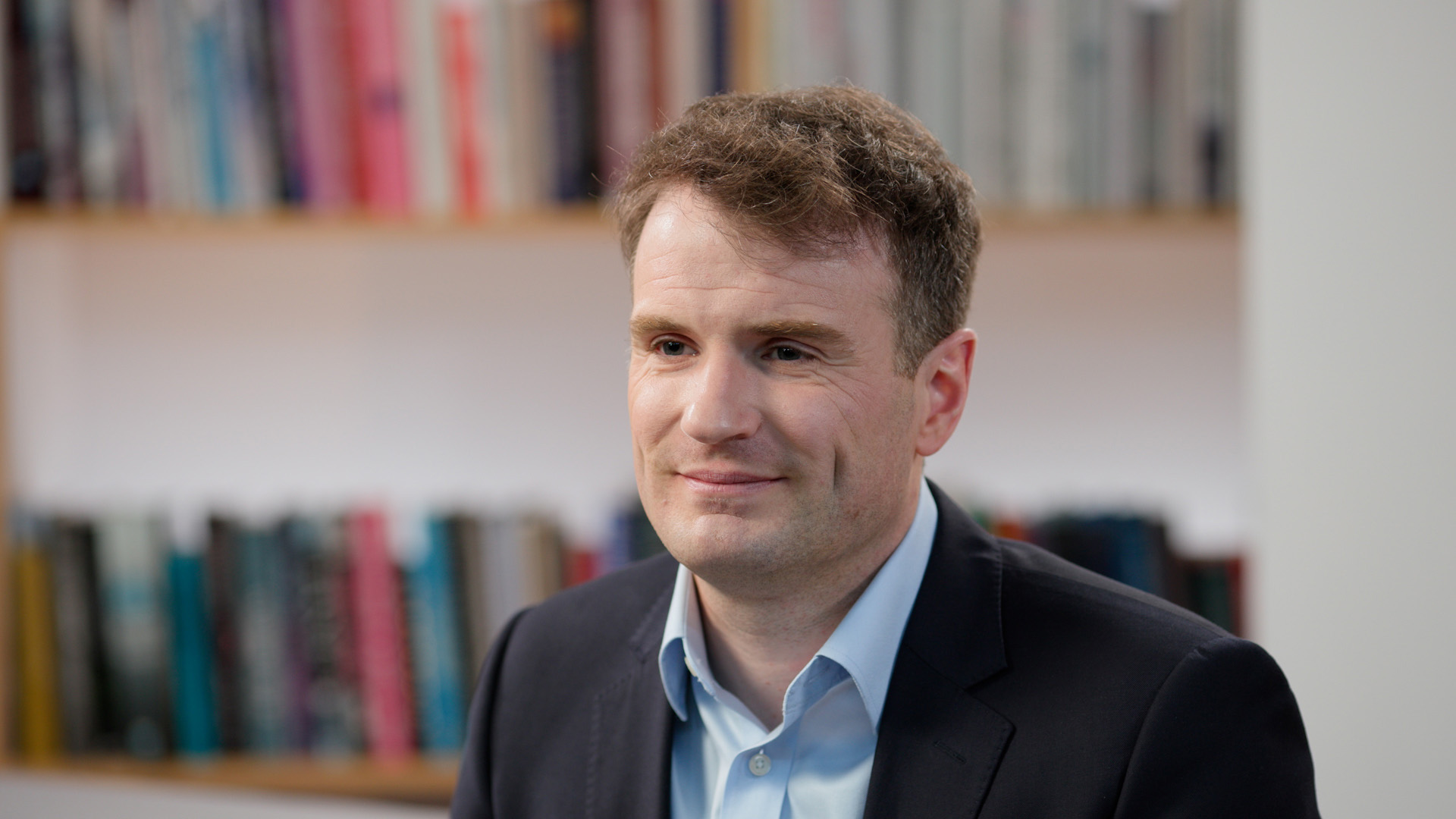
<p class="MsoNormal"><strong>Ewan Wilson (EW):</strong> Hello everyone, and thank you very much for joining us today for our latest webinar update on our Emerging Markets All Cap Strategy.</p>
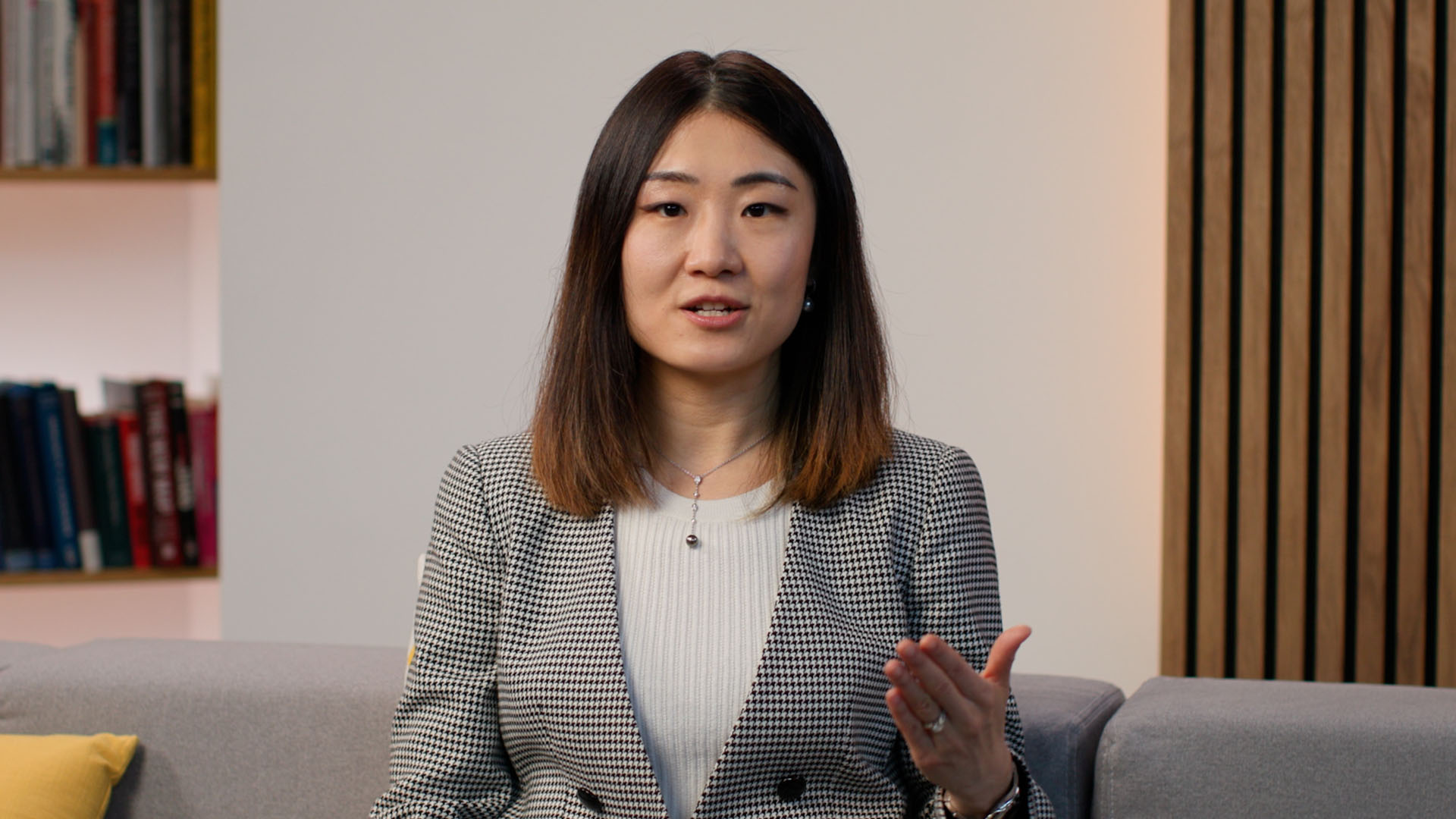
<p class="MsoNormal">I'm Ewan, a senior associate in our Consultant Relations Team, and I'm delighted to be here with Amy Leishman, one of our investment specialists.</p>
<p class="MsoNormal">Before we start today, I just want to say a quick reminder that Baillie Gifford has been investing in emerging markets since 1994. And today we manage around $31bn in the asset class. The Emerging Markets All Cap Strategy is one of our longest standing portfolios and takes a diversified approach to investing in what we believe are some of the best companies in the asset class.</p>
<p class="MsoNormal">Over the next 20 minutes or so, we'll cover four areas today: what happened in the markets over the quarter, how the portfolio performed, what the team has been thinking about and doing, and why we continue to believe the opportunity in emerging markets is more compelling than the headlines might suggest.</p>
<p class="MsoNormal">So, just for everyone, this is an interactive webinar, so feel free to send through questions as we go, and I'll pick up as many of them during the discussion as I can.</p>
<p class="MsoNormal">So with that, Amy, thanks again for joining us today. Let's begin with the market backdrop. What have we seen over the quarter and how would you characterise it?</p>
<p class="MsoNormal"><strong>Amy Leishman (AL): </strong>Yeah, well, thank you very much for having me, Ewan. I would describe the quarter in two halves.</p>
<p class="MsoNormal">So early on, a lot of what worked in 2025 kept working. AI capex was strong, a number of commodities were supportive, and emerging market companies tied to semiconductors and materials did very well.</p>
<p class="MsoNormal">But then at the end of February, markets obviously became more risk averse and much more focused on the energy consequences of events in the Middle East. Now, interestingly, emerging markets actually held up better than developed markets overall for Q1, and that's not necessarily something that you would expect in a risk-off energy shock backdrop.</p>
<p class="MsoNormal"><strong>EW:</strong> And I think what's been going on in the markets at the moment, that feels like the natural place to start. So how has the team been thinking about the conflict in the Middle East?</p>
<p class="MsoNormal"><strong>AL:</strong> Yeah, it's obviously something that we're thinking very carefully about, whether that's stress testing the portfolio in different scenarios, or thinking about the second or the third order impacts. And when you do think about that, it quite quickly gets you into thinking about almost every country and sector across our universe.</p>
<p class="MsoNormal">What I would say, though, is that the conflict and the resultant energy shock doesn't erase the structural underpinnings of emerging markets. So, most emerging market economies have gone into this period in much better shape than many investors instinctively assume – whether that's fiscal policy, which has generally been more conservative in recent years, monetary policy, which has often been more orthodox.</p>
<p class="MsoNormal">And, importantly, several of the bottlenecks that the world is now focused on still sit inside emerging markets, whether that's semiconductor pinch points, whether that's critical minerals and materials. So that's not to dismiss the seriousness of what's happening, but we do think that it's important to just take a step back in times like these and consider whether the underlying fundamentals remain intact, and we would argue that they do.</p>
<p class="MsoNormal"><strong>EW:</strong> Thanks, Amy. So really, while the near-term shock is clearly important, our view is that that doesn't change the broader structural case for emerging markets.</p>
<p class="MsoNormal">So bringing it back to the portfolio, how has performance held up over the quarter?</p>
<p class="MsoNormal"><strong>AL:</strong> Well, I'm pleased to say that the portfolio has outperformed its benchmark this quarter. And that's really because some of our longstanding positioning has been helpful.</p>
<p class="MsoNormal">So, we have limited positions in the Middle East, not because of a macro view and certainly not a crystal ball moment, but really because we haven't found enough bottom-up opportunities that we like there.</p>
<p class="MsoNormal">We also are underweight [in] India, which imports about 90 percent of its energy, so it's particularly vulnerable to oil price shocks. Now, again, that wasn't a short-term oil call, but more of a longstanding valuation decision, but broadly helpful nonetheless.</p>
<p class="MsoNormal">And then we also have exposure to countries and companies that can benefit from higher energy prices, and also a broader push for resilience: the likes of Brazil, Kazakhstan, Mexico, and also parts of the materials complex as well.</p>
<p class="MsoNormal"><strong>EW:</strong> It's good to hear that performance has held up over the quarter, supported by some of those longer-standing positions that we hold.</p>
<p class="MsoNormal">Staying with the theme of higher energy prices, one of the questions that keeps coming up in client conversations is China. Relative to some of its Asian peers, does China look somewhat more insulated from the energy shock?</p>
<p class="MsoNormal"><strong>AL:</strong> Yeah, we think that's broadly right. If you think about it, China has spent years stockpiling oil, but just as importantly, it's built up one of the most diverse energy mixes in the world through investment in renewables.</p>
<p class="MsoNormal">But also, if you think about the energy – whether energy security moves up the global policy agenda – that could actually create opportunities for certain Chinese companies. So CATL is a good example here. It's still often thought of quite narrowly as an EV battery company, but energy storage is becoming a much more important part of the business than we believe the market fully appreciates.</p>
<p class="MsoNormal">And actually, one of the reasons that we have conviction in CATL is really down to the access that we've built over time. When we first invested around seven years ago, we'd already met with Robin Zeng a number of times, and the long relationship that we've built means that we're now actually one of the few investors that gets invited to visit CATL's headquarters. That lets us see their R&D up close, but it also reinforces that it's not a business that's just benefiting from the current backdrop, it's also one with a durable edge that really isn't reflected in valuations.</p>
<p class="MsoNormal">And then, just more broadly, we continue to run a broadly neutral position in China, but with very different exposure to the index.</p>
<p class="MsoNormal"><strong>EW: </strong>Great, thanks for running us through that.</p>
<p class="MsoNormal">So, I guess if we were to turn to the performance drivers at the company level, which were the top contributors for the quarter?</p>
<p class="MsoNormal"><strong>AL: </strong>Yeah, so unsurprisingly, Petrobras, the Brazilian oil company, was a top contributor. Of course, higher oil prices have helped there. But even beyond the strong oil price [gap in recording] of oil a day and remains one of the lowest cost and lowest carbon producers anywhere in the world.</p>
<p class="MsoNormal">Samson Electronics was another top contributor, and I think Samson is a good example of patience really paying off for our clients, because some people on the line will probably remember us talking about it as a detractor not that long ago. But if you look at its latest results, its Q1 operating profits were more than last year's combined. And that's because its semiconductor division has really been the clear driver there.</p>
<p class="MsoNormal">I was actually with the company in South Korea a couple of weeks ago, and what came through really clearly was just how much they have turned things around.<strong> </strong>They've now qualified with NVIDIA for their HBM3 chips, they're mass producing the next generation of advanced memory chips. We're also seeing longer tenures and prepayments in some memory contracts, which should increase earnings visibility. But despite all of this, it's still trading on a forward P of four times, which really suggests that that turnaround is still far from widely appreciated.</p>
<p class="MsoNormal">And then, just lastly, the final company that I would mention is B3, which is the Brazilian Stock Exchange. It's also performed very well this quarter. Now, that may be a less familiar name to some, but it has a deeply entrenched position in Brazil's financial system, and importantly, it's also sustained profits through very different market environments. Recently, it's benefited from higher trading volumes in Brazil and clearly benefits on a Brazilian easing cycle. But longer term, we think the market isn't really recognising the range of new products that they're bringing online and also the data moat that they're building.</p>
<p class="MsoNormal"><strong>EW:</strong> That's really helpful, Amy, and I think it's a good reminder, actually, of just how broad the opportunity set in emerging markets can be. B3, in particular, is a good example of the kind of differentiated exposure the Strategy can provide, even if it's not a name that many will know.</p>
<p class="MsoNormal">If we turn to the other side of the ledger, which holdings were the main detractors?</p>
<p class="MsoNormal"><strong>AL:</strong> Yeah, so the main detractors, once again, were ecommerce companies, MercadoLibre and Sea. But in both cases, we think that the market is focusing on near-term margin pressure and not focusing on the longer-term case.</p>
<p class="MsoNormal"><strong>EW:</strong> And when you look through the near-term pressure, do you see any changes in the long-term fundamentals of either business?</p>
<p class="MsoNormal"><strong>AL: </strong>No, in both businesses it's been much more about deliberate reinvestment. So, MercadoLibre is spending on logistics, on free shipping, on credit and the platform more broadly.</p>
<p class="MsoNormal">Two of our investors, Alex and Andrew, actually recently met the Brazilian CEO, and they came away very clear on the fact that MercadoLibre is deliberately deepening their competitive moat.</p>
<p class="MsoNormal">And then it's a similar story at Sea as well. So, the softer profitability outlook there reflects another deliberate choice to keep investing behind its ecommerce company, or ecommerce business, Shopee. It's been building out the logistics network there, it's building out user loyalty programs. Again, it's widening the platform capabilities.</p>
<p class="MsoNormal">So really for both, it's not a case of a business under pressure – it's about businesses choosing to invest.<strong> </strong>And that's something that we're supportive of as long-term shareholders.</p>
<p class="MsoNormal"><strong>EW:</strong> Great, thank you for running through that. I guess if we turn to portfolio positioning, I think given what we're seeing in the markets and the backdrop, is there going to be a temptation to get more defensive or even to move away from that pro-growth stance?</p>
<p class="MsoNormal"><strong>AL:</strong> Yeah, I can understand the temptation. The longer that geopolitical shock persists, the harder it is to hold a deliberately pro-global growth portfolio.</p>
<p class="MsoNormal">But I think the crucial point is that pro-growth is not the same thing as being reckless. So, our approach has been very consistent over a long period of time. And in a category where managers can sometimes reinvent themselves mid-cycle, we've very much tried to stay true to who and what we are. And that's by building a balanced and a diverse growth portfolio while taking intentional risks.</p>
<p class="MsoNormal">And importantly, the aggregate financial quality of the portfolio is strong. If you look at balance sheets, they're stronger than the index: gross margins are better, ROE is better, leverage is limited. And really, all of that matters in an environment like this because it gives you some resilience, even when the macro and the shifts become more uncomfortable.</p>
<p class="MsoNormal"><strong>EW:</strong> And I think that draws out the point of where consistency feels especially important in a period like this, especially when it can be so easy to react to short-term pressure or noise.</p>
<p class="MsoNormal">So just to sum up, it sounds like there hasn't been much trading this quarter. Would that be right? Is that right?</p>
<p class="MsoNormal"><strong>AL:</strong> Yeah, that's precisely correct. We did take a position in Vista Energy in Argentina. That's very much because we like the quality of their Vaca Muerta assets which sit in northern Patagonia. Their oil wells are around 20 percent more productive than the average in the region. They're also low cost. And we have strong conviction in the management team's experience and their execution record in the basin.</p>
<p class="MsoNormal">We've also been trimming some of the AI hardware linked names. And that's, of course, to be prudent. So, we've taken out about 7 percent from these names over the last year for the fund.</p>
<p class="MsoNormal">Semiconductors are still a cyclical industry, although there is some debate about how long that cycle runs, but we're really continuing to watch capex closely, think carefully about bargaining power, and also looking for other sources of return that aren't all tied to the same part of the AI stack.</p>
<p class="MsoNormal">And then, just finally, we also exited Globent. I think it's fair to say that this investment didn't work as we'd hoped. So it's an IT services company, and we were originally attracted by the company's creative approach to problem solving in the IT services space.</p>
<p class="MsoNormal">But over time, it's become increasingly clear that advances in AI tooling could erode the differentiation that we originally saw, and also weaken its competitive position as a result. So given that shift, and with the holding already reduced to quite a small position, we decided it was the right time to move on.</p>
<p class="MsoNormal">I suppose just beyond that, it was much more of a quarter of research, debate and pressure testing than major portfolio change.</p>
<p class="MsoNormal"><strong>EW:</strong> That's very helpful context, and I think while there may not have been a great deal of trading, it sounds as though there might have been a huge amount of work going on behind the scenes. So, has it been a quarter full of research travel for the team?</p>
<p class="MsoNormal"><strong>AL:</strong> Yeah, exactly, I'd say that's one of the big features of the quarter, is really just how active the team have been.</p>
<p class="MsoNormal">So, in technology alone, we spent time in Taiwan and South Korea, and that was speaking to companies right across the semiconductor and the hardware supply chain. At the same time, we had colleagues visiting China to understand how the AI landscape is evolving there, both from a policy perspective and a company perspective. And then beyond that, the team has been out in India, Brazil, Chile and Vietnam – each for very different reasons, whether that's been looking at domestic demand, the financial sector, supply chain shifts, but yes, certainly a lot of travel this quarter.</p>
<p class="MsoNormal"><strong>EW:</strong> So, I think it's a good place to pivot slightly, actually.</p>
<p class="MsoNormal">Another question that comes to mind is, what about the dollar? I think for the US audience dialled in today, that is always part of the EM discussion. Does a tougher world simply mean a stronger dollar and a harder environment for the asset class?</p>
<p class="MsoNormal"><strong>AL:</strong> Yeah, in the very short term, yes, that can absolutely be the case. Risk off and dollar strength often travel together, and historically, emerging markets hasn't loved that combination. But we do think that it's important to separate the near-term flight to safety from the longer-term structural direction.</p>
<p class="MsoNormal"><strong>EW:</strong> That's interesting. Could you share more on that longer-term point, and what it means for the role of the dollar over time?</p>
<p class="MsoNormal"><strong>AL:</strong> Yeah, so one of the things conflict and fragmentation can do is accelerate the desire for self-sufficiency. So, think more local trade that creates deeper local capital pools, central banks diversifying their reserves, gold potentially playing a bigger role, for example. You could make the argument that over the long term that reduces the world's dependence on the dollar system.</p>
<p class="MsoNormal">One of the interesting points from the current crisis is that we haven't actually seen as strong a dollar as you may have expected. If you compare it to previous crises, the dollar hasn't moved up as much. That makes you think about what that potentially tells you about the rest of the world's view on the dollar's role as a safe haven. I would say that that's certainly not a call for the demise of the dollar, or its collapse. It just means that we need to think more broadly than the next three months of FX [foreign exchange] moves.</p>
<p class="MsoNormal"><strong>EW:</strong> Thanks, Amy. We've actually just had a question come through from the audience – and again, this is probably one that comes up from time to time – and that's commodities. So now it seems like a good time to ask: how are you and the team thinking about exposure in that area?</p>
<p class="MsoNormal"><strong>AL:</strong> Yeah, it's a good question, so thank you for whoever asked it.</p>
<p class="MsoNormal">Our largest commodities exposure is to copper. I'm sure we've spoken to many on the line about this previously. Demand continues to grow, even as supply is being held back by permitting delays, degrading ore grades, constrained financing. So we still think there is a meaningful supply-demand imbalance coming over the next decade.</p>
<p class="MsoNormal">We also have exposure to one of the world's largest platinum miners, that would be Impala Platinum, which is located in South Africa. One of the interesting points about platinum is that it's much rarer than most people realize, so annual availability is 20 times lower than gold and 100 times lower than silver.</p>
<p class="MsoNormal">But yet, it's used in many more places than you would assume. It's used in auto catalysers for emissions, it's used in pacemakers, jewellery, fuel cell technology, the list really does go on. And again, that's a market that's been in deficit for a number of years, with limited scope to raise mine output quickly. So as with copper, it's a significant imbalance that we think we can take advantage of as long-term investors.</p>
<p class="MsoNormal">We also have exposure to lithium on similar supply-demand imbalances.</p>
<p class="MsoNormal"><strong>EW:</strong> Great, thank you. And actually, before we close, I just wanted to touch on one concern that we hear quite a lot at the moment, which is actually index concentration in emerging markets. I thought it'd be useful for the listeners to hear about that. So, how do you and the team think about concentration in that way?</p>
<p class="MsoNormal"><strong>AL:</strong> Yeah, it's a very fair concern. Index concentration has clearly increased. TSMC is roughly 13 percent of the index now, so it's very much something that we take seriously.</p>
<p class="MsoNormal">We think about it in two parts. Firstly, it means that you have to get the large companies right, they clearly matter more than they used to. And by that, I mean that you have to be prepared to form a differentiated view on them. So, in our case, that has meant owning some of the biggest names where we believe that the long-term earnings power is still not fully recognised. That includes the likes of TSMC, Samsung, etc.</p>
<p class="MsoNormal">But it also means avoiding others where we don't think that the investment case is strong enough. So, for example, we don't own HDFC Bank, which is one of the top 10 constituents in the index. And that's really largely due to the challenges that we saw following its merger with HDFC Corp a couple of years ago.</p>
<p class="MsoNormal">But then the second point is really just as important, and that's that the benchmark is not the opportunity set. The index is, by construction, a narrower expression of a much broader universe. So while concentration has risen at the top, the underlying opportunity set in emerging markets remains much wider than the index would suggest.</p>
<p class="MsoNormal">I would say that that's not a theoretical point, either. If you look at our own portfolio, off-benchmark holdings have made a very meaningful contribution to returns over time, about 40 percent. And also, more than half of our portfolio is held by less than 20 percent of peers. So we would argue it's still very underappreciated.</p>
<p class="MsoNormal">So really the way to deal with concentration, if I was to just sum it up, is by doing both parts of the job properly. It's being thoughtful and selective in the large benchmark names, but then also looking beyond them for businesses that the index just doesn't capture very well.</p>
<p class="MsoNormal"><strong>EW:</strong> Thanks Amy, and actually I think that leads us nicely to a final question.</p>
<p class="MsoNormal">When you step back from the quarter-to-quarter noise, what do you think investors still misunderstand most about emerging markets today?</p>
<p class="MsoNormal">AL: So I think the biggest misunderstanding is that emerging markets are still treated as one uniform risk bucket. But if you really think about it, that's a false aggregation.</p>
<p class="MsoNormal">So, one company may be leveraged to US data center spending, another may be leveraged to Indian household savings, another may be exposed to Brazilian rates, such as B3 that I mentioned earlier. Those are not the same risks, they don't respond to the same variables. And yet investors often bundle them all together and then just conclude that emerging markets is simply tactical or scary or cyclical. Helpfully, though, the asset class does still price as riskier. Emerging markets is trading on around 11 times expected earnings, that's at the end of March. The ACWI on around 16.6, 17 times. And our own portfolio is on around 10 to 11 times.</p>
<p class="MsoNormal">And yet, when you look at emerging markets, there's higher earnings growth expectations. So even if I was thinking about one-year forward earnings, it's about 16 to 17 percent for the ACWI, 31 percent for the index, and then the fund is on roughly 43 percent. And that same pattern holds true when you look at three year forward figures, too.</p>
<p class="MsoNormal">So I guess in summary, despite much higher earnings growth expectations, you're not having to pay a premium for growth today. And then when you combine that with the fact that EM is playing a much more central role across different industries and different sectors, we think that the opportunity is still very much alive for clients today.</p>
<p class="MsoNormal"><strong>EW:</strong> Amy, thank you. That's great insight and also a great note to finish on.</p>
<p class="MsoNormal">And thanks to everybody for joining us today. I want to draw your attention to two related insights available on the right-hand side of your screen. In particular, I'd like to talk about the two pieces. One is on copper demand and how AI-related spending may outstrip supply. And another is on how recent oil price shocks could affect the region.</p>
<p class="MsoNormal">As always, if you have any questions following today's webinar, please do get in touch with your relationship manager and we'll be very happy to help. Thank you.</p>
<p> </p>
<h3 class="TABLEHEADER1212pt">Emerging Markets</h3>
<p><strong>Annual past performance to 31 March each year (%)</strong></p>
<table border="1" style="border-collapse: collapse; width: 100%; border-width: 0px; height: 112px;">
<tbody>
<tr style="height: 18.6667px;">
<td style="border-width: 1px 1px 2px; border-style: solid; border-color: rgb(204, 204, 204) rgb(204, 204, 204) rgb(0, 0, 0); border-image: initial; padding: 10px; height: 18.6667px; width: 60.3913%;"> </td>
<td style="border-width: 1px 1px 2px; border-style: solid; border-color: rgb(204, 204, 204) rgb(204, 204, 204) rgb(0, 0, 0); border-image: initial; padding: 10px; height: 18.6667px; text-align: right; width: 7.95652%;"><strong>2022</strong></td>
<td style="border-width: 1px 1px 2px; border-style: solid; border-color: rgb(204, 204, 204) rgb(204, 204, 204) rgb(0, 0, 0); border-image: initial; padding: 10px; height: 18.6667px; text-align: right; width: 7.95652%;"><strong>2023</strong></td>
<td style="border-width: 1px 1px 2px; border-style: solid; border-color: rgb(204, 204, 204) rgb(204, 204, 204) rgb(0, 0, 0); border-image: initial; padding: 10px; height: 18.6667px; text-align: right; width: 7.82609%;"><strong>2024</strong></td>
<td style="border-width: 1px 1px 2px; border-style: solid; border-color: rgb(204, 204, 204) rgb(204, 204, 204) rgb(0, 0, 0); border-image: initial; padding: 10px; height: 18.6667px; text-align: right; width: 7.82609%;"><strong>2025</strong></td>
<td style="border-width: 1px 1px 2px; border-style: solid; border-color: rgb(204, 204, 204) rgb(204, 204, 204) rgb(0, 0, 0); border-image: initial; padding: 10px; height: 18.6667px; text-align: right; width: 7.82609%;"><strong>2026</strong></td>
</tr>
<tr style="height: 18.6667px;">
<td style="border: 1px solid rgb(204, 204, 204); padding: 10px; height: 18.6667px; width: 60.3913%;">Emerging Markets All Cap Composite (gross)</td>
<td style="border: 1px solid rgb(204, 204, 204); padding: 10px; height: 18.6667px; text-align: right; width: 7.95652%;">-19.9</td>
<td style="border: 1px solid rgb(204, 204, 204); padding: 10px; height: 18.6667px; text-align: right; width: 7.95652%;">-10.0</td>
<td style="border: 1px solid rgb(204, 204, 204); padding: 10px; height: 18.6667px; text-align: right; width: 7.82609%;">11.5</td>
<td style="border: 1px solid rgb(204, 204, 204); padding: 10px; height: 18.6667px; text-align: right; width: 7.82609%;">6.7</td>
<td style="border: 1px solid rgb(204, 204, 204); padding: 10px; height: 18.6667px; text-align: right; width: 7.82609%;">37.3</td>
</tr>
<tr style="height: 18.6667px;">
<td style="border: 1px solid rgb(204, 204, 204); padding: 10px; height: 18.6667px; width: 60.3913%;">Emerging Markets All Cap Composite (net)</td>
<td style="border: 1px solid rgb(204, 204, 204); padding: 10px; height: 18.6667px; text-align: right; width: 7.95652%;">-20.5</td>
<td style="border: 1px solid rgb(204, 204, 204); padding: 10px; height: 18.6667px; text-align: right; width: 7.95652%;">-10.7</td>
<td style="border: 1px solid rgb(204, 204, 204); padding: 10px; height: 18.6667px; text-align: right; width: 7.82609%;">10.6</td>
<td style="border: 1px solid rgb(204, 204, 204); padding: 10px; height: 18.6667px; text-align: right; width: 7.82609%;">5.9</td>
<td style="border: 1px solid rgb(204, 204, 204); padding: 10px; height: 18.6667px; text-align: right; width: 7.82609%;">36.2</td>
</tr>
<tr style="height: 18.6667px;">
<td style="border: 1px solid rgb(204, 204, 204); padding: 10px; height: 18.6667px; width: 60.3913%;">MSCI Emerging Markets index</td>
<td style="border: 1px solid rgb(204, 204, 204); padding: 10px; height: 18.6667px; text-align: right; width: 7.95652%;">-11.1</td>
<td style="border: 1px solid rgb(204, 204, 204); padding: 10px; height: 18.6667px; text-align: right; width: 7.95652%;">-10.3</td>
<td style="border: 1px solid rgb(204, 204, 204); padding: 10px; height: 18.6667px; text-align: right; width: 7.82609%;">8.6</td>
<td style="border: 1px solid rgb(204, 204, 204); padding: 10px; height: 18.6667px; text-align: right; width: 7.82609%;">8.6</td>
<td style="border: 1px solid rgb(204, 204, 204); padding: 10px; height: 18.6667px; text-align: right; width: 7.82609%;">30.3</td>
</tr>
</tbody>
</table>
<p><strong>Annualised returns to 31 March 2026 (%)</strong></p>
<table border="1" style="border-collapse: collapse; width: 100%; border-width: 0px; height: 93.0001px;">
<tbody>
<tr style="height: 37px;">
<td style="border-width: 1px 1px 2px; border-style: solid; border-color: rgb(204, 204, 204) rgb(204, 204, 204) rgb(0, 0, 0); border-image: initial; padding: 10px; height: 37px; width: 61.3043%;"> </td>
<td style="border-width: 1px 1px 2px; border-style: solid; border-color: rgb(204, 204, 204) rgb(204, 204, 204) rgb(0, 0, 0); border-image: initial; padding: 10px; height: 37px; width: 13.0435%; text-align: right;"><strong>1 year</strong></td>
<td style="border-width: 1px 1px 2px; border-style: solid; border-color: rgb(204, 204, 204) rgb(204, 204, 204) rgb(0, 0, 0); border-image: initial; padding: 10px; height: 37px; width: 12.6522%; text-align: right;"><strong>5 years</strong></td>
<td style="border-width: 1px 1px 2px; border-style: solid; border-color: rgb(204, 204, 204) rgb(204, 204, 204) rgb(0, 0, 0); border-image: initial; padding: 10px; height: 37px; width: 12.7826%; text-align: right;"><strong>10 years</strong></td>
</tr>
<tr style="height: 18.6667px;">
<td style="border: 1px solid rgb(204, 204, 204); padding: 10px; height: 18.6667px; width: 61.3043%;">Emerging Markets All Cap Composite (gross)</td>
<td style="border: 1px solid rgb(204, 204, 204); padding: 10px; height: 18.6667px; width: 13.0435%; text-align: right;">37.3</td>
<td style="border: 1px solid rgb(204, 204, 204); padding: 10px; height: 18.6667px; width: 12.6522%; text-align: right;">3.3</td>
<td style="border: 1px solid rgb(204, 204, 204); padding: 10px; height: 18.6667px; width: 12.7826%; text-align: right;">10.9</td>
</tr>
<tr style="height: 18.6667px;">
<td style="border: 1px solid rgb(204, 204, 204); padding: 10px; height: 18.6667px; width: 61.3043%;">Emerging Markets All Cap Composite (net)</td>
<td style="border: 1px solid rgb(204, 204, 204); padding: 10px; height: 18.6667px; width: 13.0435%; text-align: right;">36.2</td>
<td style="border: 1px solid rgb(204, 204, 204); padding: 10px; height: 18.6667px; width: 12.6522%; text-align: right;">2.5</td>
<td style="border: 1px solid rgb(204, 204, 204); padding: 10px; height: 18.6667px; width: 12.7826%; text-align: right;">10.0</td>
</tr>
<tr style="height: 18.6667px;">
<td style="border: 1px solid rgb(204, 204, 204); padding: 10px; height: 18.6667px; width: 61.3043%;">MSCI Emerging Market index</td>
<td style="border: 1px solid rgb(204, 204, 204); padding: 10px; height: 18.6667px; width: 13.0435%; text-align: right;">30.3</td>
<td style="border: 1px solid rgb(204, 204, 204); padding: 10px; height: 18.6667px; width: 12.6522%; text-align: right;">4.2</td>
<td style="border: 1px solid rgb(204, 204, 204); padding: 10px; height: 18.6667px; width: 12.7826%; text-align: right;">8.2</td>
</tr>
</tbody>
</table>
<p><span class="source-text"><strong>Source:</strong> Revolution, MSCI. US dollars. Net returns have been calculated by reducing the gross return by the highest annual management fee for the composite. 1 year figures are not annualised.</span></p>
<p><strong>Past performance is not a guide to future returns.</strong></p>
<p><span class="source-text">Legal notice: MSCI makes no express or implied warranties or representations and shall have no liability whatsoever with respect to any MSCI data contained herein. The MSCI data may not be further redistributed or used as a basis for other indexes or any securities or financial products. This report is not approved, endorsed, reviewed or produced by MSCI. None of the MSCI data is intended to constitute investment advice or a recommendation to make (or refrain from making) any kind of investment decision and may not be relied on as such.</span></p>
<h3>Risk factors</h3>
<p>This communication was produced and approved in April 2026 and has not been updated subsequently. It represents views held at the time and may not reflect current thinking.</p>
<p>The views expressed should not be considered as advice or a recommendation to buy, sell or hold a particular investment. They reflect opinion and should not be taken as statements of fact nor should any reliance be placed on them when making investment decisions.</p>
<p>This communication contains information on investments which does not constitute independent research. Accordingly, it is not subject to the protections afforded to independent research, but is classified as advertising under Art 68 of the Financial Services Act (‘FinSA’) and Baillie Gifford and its staff may have dealt in the investments concerned.</p>
<p>All information is sourced from Baillie Gifford & Co and is current unless otherwise stated. </p>
<p>The images used in this communication are for illustrative purposes only.</p>
<h3>Important information</h3>
<p>Baillie Gifford & Co and Baillie Gifford & Co Limited are authorised and regulated by the Financial Conduct Authority (FCA). Baillie Gifford & Co Limited is an Authorised Corporate Director of OEICs.</p>
<p>Baillie Gifford Overseas Limited provides investment management and advisory services to non-UK Professional/Institutional clients only. Baillie Gifford Overseas Limited is wholly owned by Baillie Gifford & Co. Baillie Gifford & Co and Baillie Gifford Overseas Limited are authorised and regulated by the FCA in the UK. </p>
<p>Persons resident or domiciled outside the UK should consult with their professional advisers as to whether they require any governmental or other consents in order to enable them to invest, and with their tax advisers for advice relevant to their own particular circumstances.</p>
<p><strong>Financial intermediaries</strong></p>
<p>This communication is suitable for use of financial intermediaries. Financial intermediaries are solely responsible for any further distribution and Baillie Gifford takes no responsibility for the reliance on this document by any other person who did not receive this document directly from Baillie Gifford.</p>
<p> </p>
<p><span class="source-text">194516 10062486</span></p>